Removing Barriers: Meet Digit Music
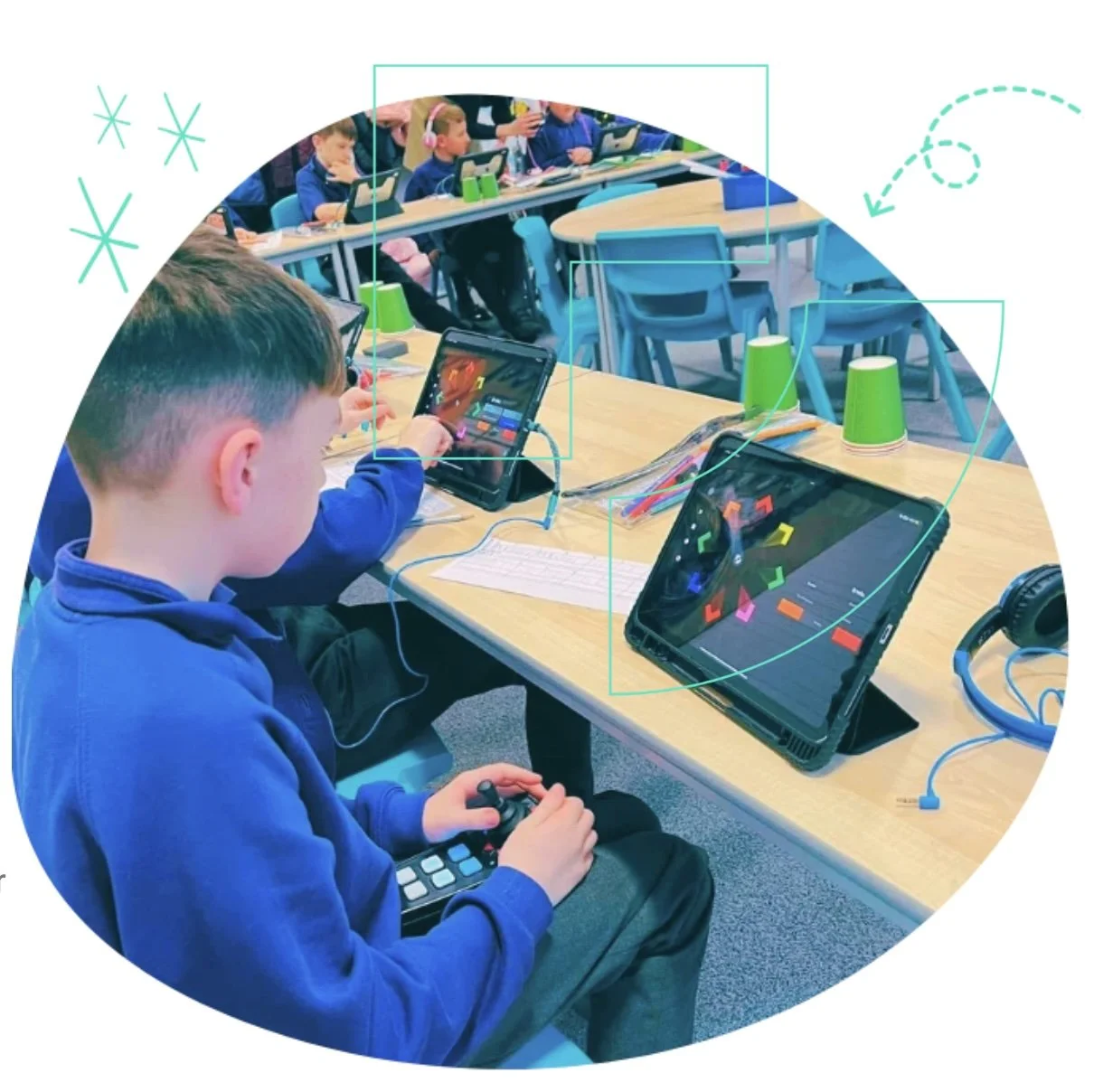
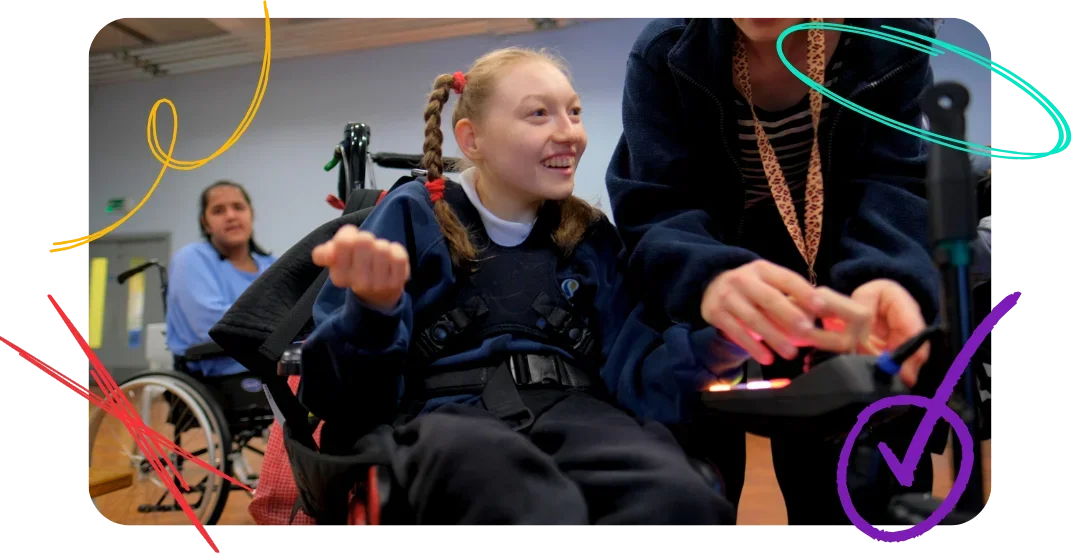
Yesterday at the Music & Drama Education Expo here in London, I was introduced to Simon Tew, who runs an amazing company here in the UK called Digit Music. When I went over to their booth, I immediately saw some incredible adaptive technologies for students that allow them to interact with music software. Making music accessible for ALL students has always been one of my passions. If you have spent any meaningful time in music education, you eventually discover that one of the most persistent misconceptions in our field is that students struggle because music itself is inherently difficult. In practice, the difficulty rarely begins with pitch, rhythm, tone production, or even motivation. It begins with access. Before we can teach understanding, students must first be able to participate, both physically and cognitively, in the act of making music. Digit Music addresses this head on. The first thing I saw at their booth was a familiar hardware device for students who might be wheelchair bound - the joystick. However this was no ordinary joystick. Named CMPSR, this joystick is actually a hardware device that can be plugged into any music software that interacts with USB MIDI controllers, and unlike many other adaptive musical instruments, it’s VERY affordable. Here’s a quick look:
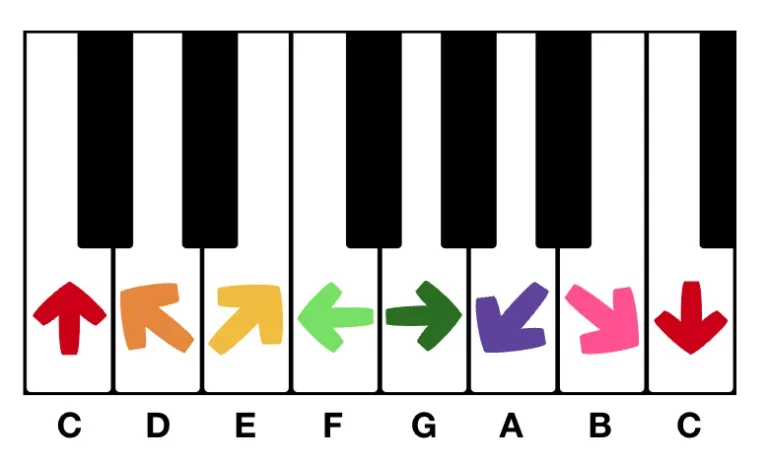
What I immediately noticed was that their focus is participation. Their tools are designed so that students with widely varying physical abilities and learning profiles can create music immediately, without first overcoming the barriers educators often assume are unavoidable. Their ecosystem includes an adaptive performance controller, gesture-based music creation through touch or eye movement, and an app called CMPSR Swipe that helps reduce the barriers associated with reading standard notation or being able to play a MIDI keyboard. They have invented a notation system called Arrownotes that helps students convert traditional notation into arrows that correspond with the app interface. Very innovative and the goal is clear. Students with disabilities should experience and participate in musical experiences, just like every other student in their classroom.
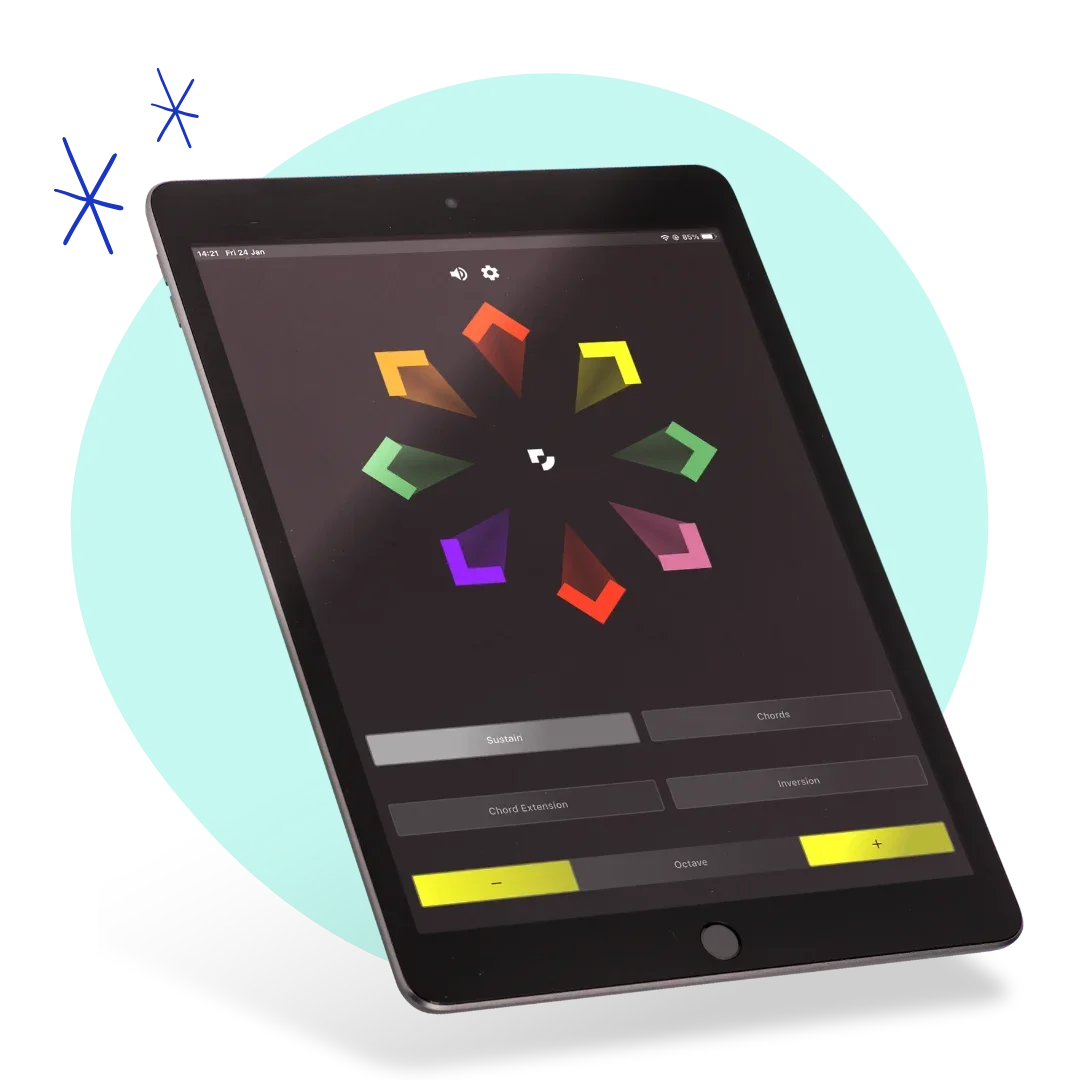
The CMPSR Swipe app is an adaptive music-creation interface that turns a touchscreen device into a playable instrument by converting simple physical gestures into musical sound. Instead of requiring traditional technique or notation knowledge, users can swipe, tap, or even blink to trigger notes and chords within a selected scale, allowing them to make musically correct sounds immediately. The interface automatically adjusts to different screen sizes and skill levels, simplifying the act of performance while still enabling expressive control. The app can operate on its own with built-in sounds and backing tracks, connect to the company’s accessible joystick controller, or send MIDI data to digital audio workstations, other music apps, or external hardware instruments, effectively letting a mobile device function as a controller for broader music production environments.
Consider how this changes the way students approach a digital audio workstation such as Soundtrap or YuStudio. A student who begins with gesture-based musical interaction already understands cause and effect in sound. When they open a DAW, they are not confronting a grid of intimidating controls but a familiar extension of musical play. They can recreate patterns using loops, record their own sounds, and shape musical form because they have already experienced the act of musical decision making. The software becomes a tool for development rather than a barrier to entry.
In practical terms, accessible creative tools can serve as an entry experience, while platforms for recording, composition, notation, and assessment provide the structure that deepens understanding. One establishes confidence and identity, and the other builds literacy and technique. The sequence mirrors natural musical development: experience first, organization second, and formalization third.
The future of music education for ALL will not be determined by choosing between instruments, notation, or production software. It will be shaped by designing pathways that allow every student to enter the musical world and then grow within it. When educators focus first on enabling participation, the sophisticated tools we already use in our classrooms become dramatically more effective because students are no longer learning how to access music, but how to develop within it. Digit Music is a wonderful partner to help you achieve those very important goals.