Is Alpha School a Glimpse Into the Future of Education?
I was recently introduced to Alpha School, a fast-growing network of private charter schools that is taking a very different approach to education. Their model has received a fair amount of media attention, particularly because of the prominent role generative AI and educational technology use during the school day. The basic idea is pretty simple: Students spend approximately two hours each morning completing core academic subjects using personalized learning technology and AI. Rather than moving through material at the same pace as everyone else, students work at their own level and advance as they demonstrate mastery. Alpha says its students average 2.6 times the academic growth of students nationally on their assessments. That is certainly an impressive claim, but it’s also one that deserves some scrutiny - especially with all of the increased focus and fear about generative AI being used more and more in the classroom.
This idea raises several concerns immediately for me. They include:
AI Content Inaccuracies - we’ve all seen GenAI hallucinations and gross errors - how does that impact what students are learning?
Lack of Independent Data: There is no independent empirical research (yet) on whether oir not this approach has distinct benefits for students.
Privacy and Surveillance Concerns: Data privacy is a HUGE concern for schools - is there a new comfort level to having student data coursing through AI models?
Social and Developmental Doubts: Even as someone who runs an EdTech company, I want to see LESS screen time during the school day - not MORE!
Alpha School is a VERY expensive (up to $75,000 per year) private school network serving a select population of families willing to try a radically different educational model. Comparing the academic growth of those students with students who attend public schools doesn’t really tell us what would happen if this model were introduced in a typical public school. Whenever I read claims like these, the researcher in me would like to see considerably more independent data before concluding that two hours of technology driven instruction can accomplish what traditional schools do in an entire academic day. I am highly skeptical of that claim.
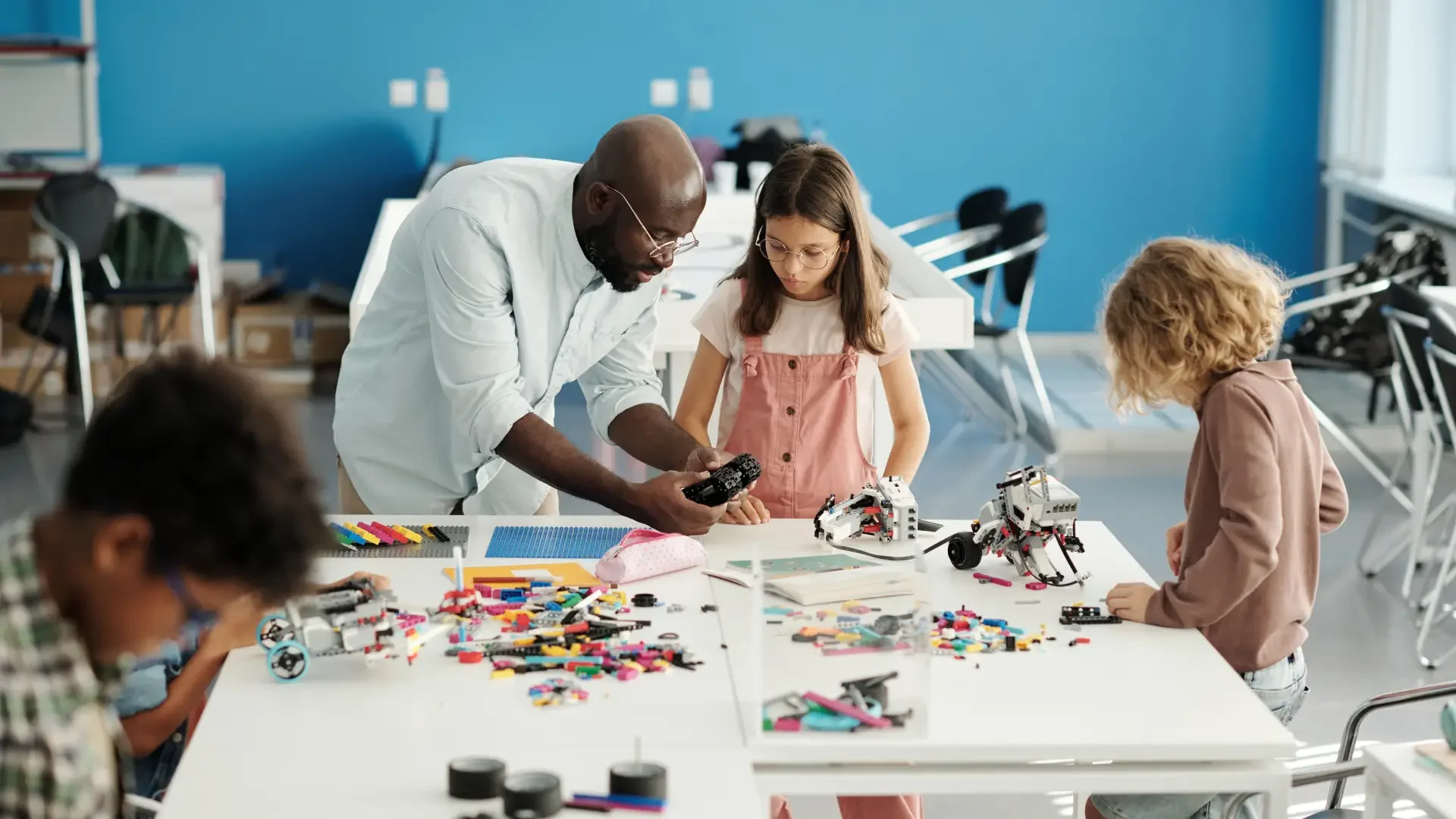
The rest of the Alpha school day is devoted to workshops covering areas such as leadership, entrepreneurship, public speaking, collaboration, physical activity and creative problem solving. The adults in the building are called “guides” rather than traditional teachers. Their job is largely to motivate students, monitor progress and help them develop skills beyond academics. There are certainly things I like about this approach, but it seems highly impractical on a broad scale.
Personalization is one of the most promising applications of generative AI in education. Anyone who has taught a classroom of 25 or 30 students understands how difficult it is to provide every student with instruction at exactly the right level. Technology can help. A student struggling with a concept can receive additional practice while another student moves ahead. But efficiency should not automatically become the primary goal of education. Learning is not simply the transfer of information from a teacher (or a computer) to a student. Sometimes struggling with a difficult concept, discussing it with a teacher and working through it with classmates is the most important part of the educational experience. A system that optimizes everything for speed and mastery scores may unintentionally remove some of the experiences that help students become thoughtful and curious learners. I believe that failure is a critical component of learning - and speed sometimes avoids these opportunities.
This becomes particularly interesting when we consider music education. If students really can complete their core academics in two hours, the Alpha model could create enormous opportunities for music. Imagine students having several hours every afternoon to rehearse in a band, chorus or orchestra, write songs, produce recordings, compose music and collaborate with other musicians? I would have LOVED that. I never had enough time to accomplish my instructional goals. Never.
Generative AI could also support individual music learning. Students could receive immediate feedback while practicing an instrument, work through personalized music theory exercises or develop their ear training skills. These are areas where I believe technology can genuinely help teachers and students, but my concern is what happens when we decide that because technology can teach certain things, traditional instruction is no longer necessary. I certainly never want to see that happen, nor do I believe it is even a viable way for students to learn a musical instrument or concept.
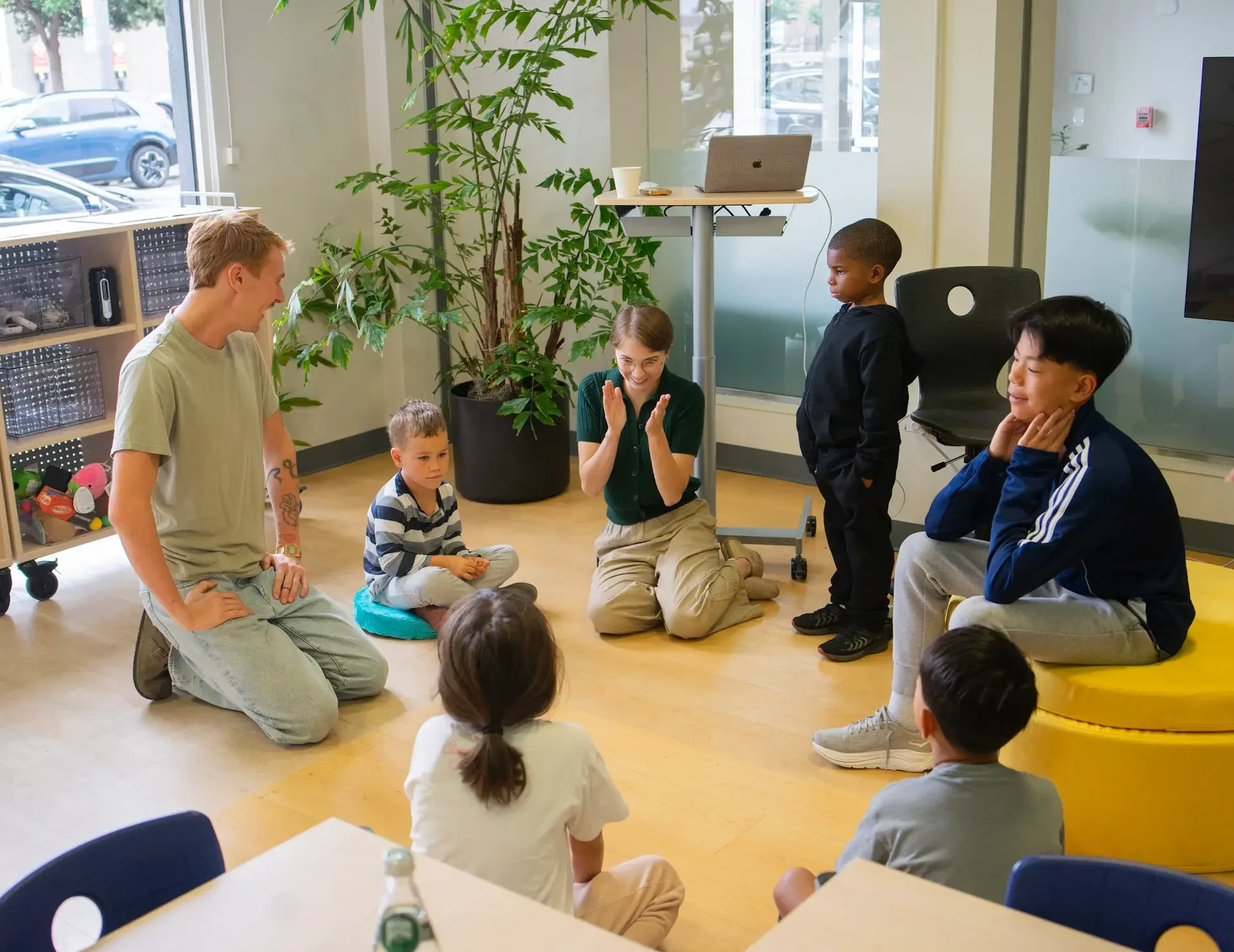
Alpha School has publicly questioned traditional approaches to arts education, including required band and choir experiences. I find that very concerning. There is always a danger that music becomes viewed primarily as a creative activity rather than an academic discipline worthy of sustained study. There is an important difference between making music and receiving a music education. Giving students access to a DAW and encouraging them to write a song can be a terrific experience. But it is not necessarily a substitute for learning to read music, developing instrumental or vocal technique, studying theory, understanding musical traditions and learning how to perform as part of an ensemble. That said, I think music education has more than enough opportunity to change - as long as it remains a part of the school day.
The subject area of music in general is one that I am highly skeptical can be shifted solely to having teachers become only “guides”. A great music teacher does far more than provide information. A band director hears an intonation problem developing before students recognize it. A choir director notices a student using unhealthy vocal technique. An orchestra teacher changes an explanation because the first one clearly did not work. Those decisions come from expertise and experience. Generative AI may help those teachers with their administrative and planning tasks, but replacing their expertise with software and generalist guidance is a very different proposition.
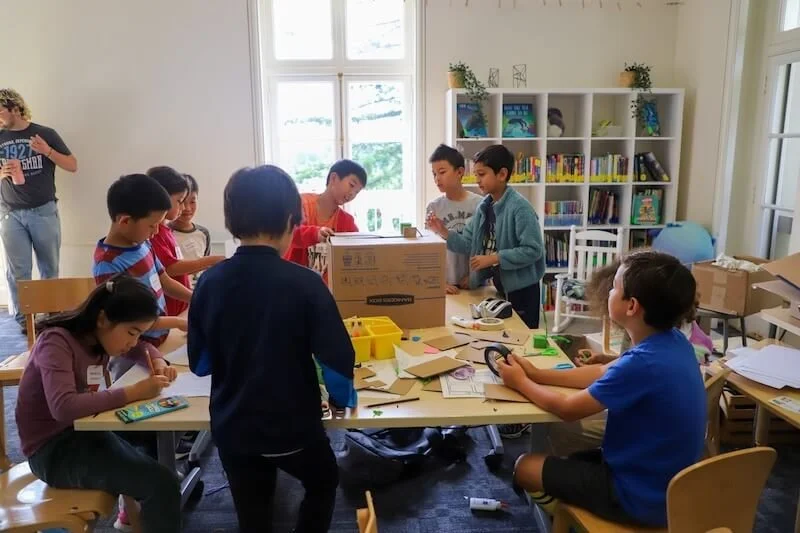
Alpha School is definitely an experiment worth watching, and some of its ideas may eventually influence traditional schools. Personalized learning and generative AI could absolutely make portions of education more efficient for both teachers and their students. But we should be careful about assuming that faster automatically means better. If Generative AI gives schools more time for music, creativity, collaboration and human interaction, that could be a very positive development. If instead it encourages schools to conclude that expert teachers and sustained study of subjects like music are no longer necessary, we may discover that efficiency came at a much greater cost than we expected.
What do you think?