Lesson Plan: New Year, New Sounds
The first few days after the holiday break always feel a little different. Students come back older, louder, and full of stories, and everyone—teachers included—is trying to reset their rhythm. Rather than jumping straight into scales, worksheets, or procedures, this lesson starts by asking students to think about the idea of a fresh start and how music can represent change. Using the Creativity Solution from MusicFirst, you can use this lesson plan that Ive written about resolutions to get the new year off to a great start.
On the first day, the class begins with a conversation about New Year’s resolutions. Students talk about things they want to improve, try for the first time, or simply do better this year. The focus stays broad and low-pressure: school goals, musical goals, or personal habits are all welcome. The class then shifts to a simple but powerful idea—music can tell a story without words, and today that story is about where you’re headed next. Students are introduced to the idea that their first project of the year will be a short composition that represents a resolution. Not a song with lyrics, but a musical snapshot of intention. What does motivation sound like? What does starting over feel like in music? Together, the class identifies basic musical tools that can communicate those ideas: tempo, key, rhythm, repetition, and melodic contour.

With that context in place, students move into notation software, like Flat for Education, and begin composing a short melody. Keep the expectation simple: eight to sixteen measures, one key, one time signature. What matters most is not complexity, but clarity. Students are encouraged to make choices that reflect their resolutions. A smooth, stepwise melody might represent steady improvement. A bold leap at the beginning could symbolize confidence or risk. A strong ending might reflect commitment to the goal. Give the students time to work on their own. Before class ends, students can give their piece a title inspired by the New Year and briefly reflect on how their music connects to their resolution.
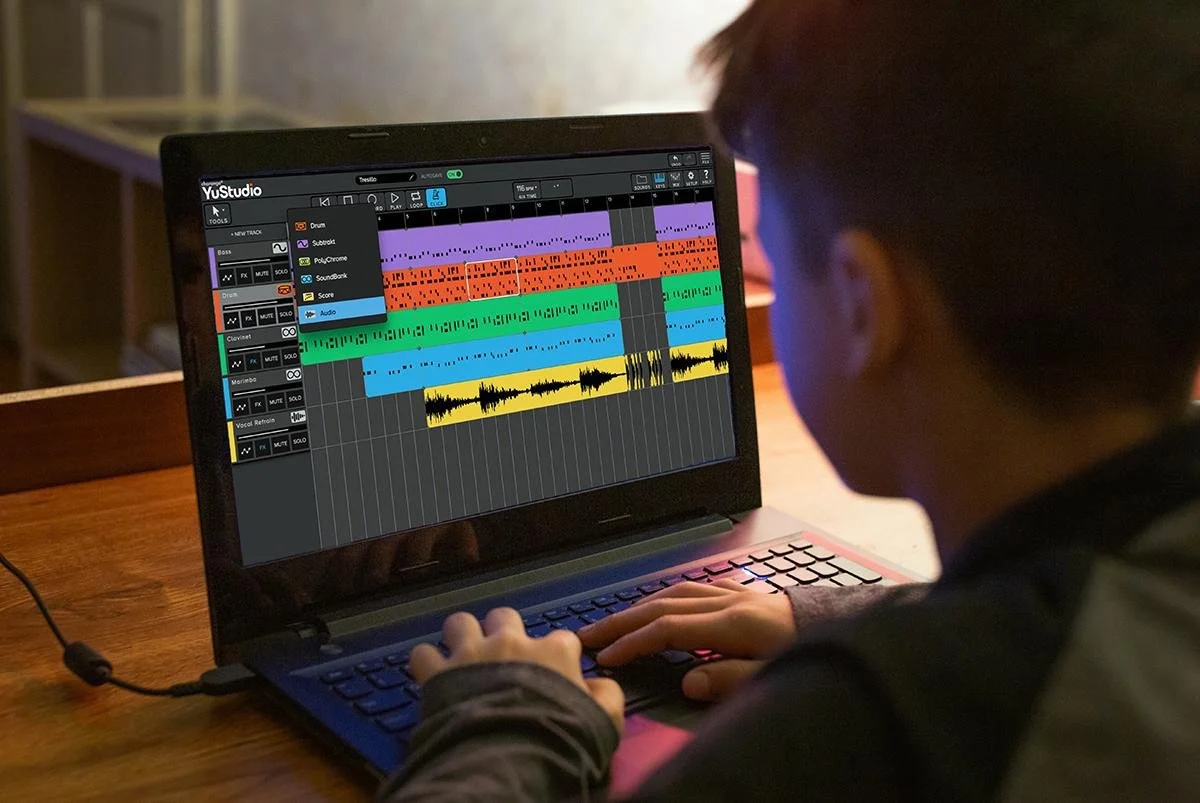
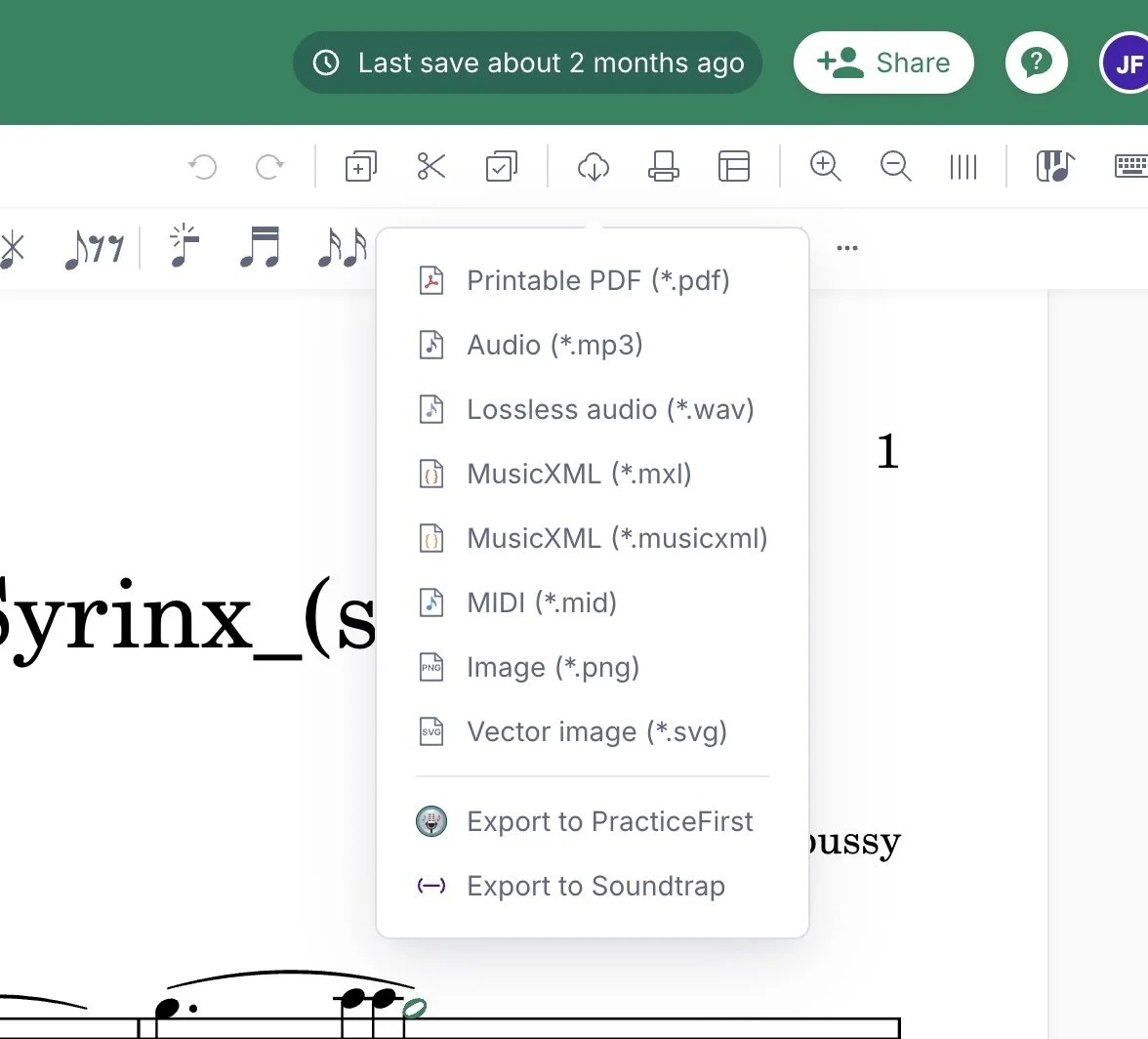
The following class period picks up where the first left off, but shifts from composer to producer. Students open a DAW and begin translating their notated ideas into sound. You can use the Export to Soundtrap feature in Flat if you have access to Soundtrap. If you don’t, use the Export to MIDI option so that you can import those tracks into something like YuStudio. For some, this means recreating the melody using a virtual instrument. For others, it becomes an opportunity to experiment with tone color, tempo, and texture. Students quickly discover that the same notes can feel very different depending on how they’re produced.
Have the student add a second layer or loop to their melody: chords, bass, percussion; and then encourage them to think about how the music can change over time. A gradual build, an added instrument halfway through, or a dynamic swell can all represent growth. The question driving the work is simple: does this still sound like your resolution? By the end of the class session, students have something tangible: a short, original track that reflects both who they are and where they want to go. In the final moments of class, students reflect on how their piece evolved from notation to DAW and whether the music still matches their original intention.
If time allows, the project concludes with informal sharing. Students play their tracks for a partner or small group and talk about the choices they made. The emphasis stays on listening and intention rather than critique. The goal of this lesson plan is not performance-ready music, but student agency and reflection.
Here’s the same lesson plan in an easy-to-follow format, along with timing suggestions and a scoring rubric created by the new MusicFirst Assistant. I hope you can use this lesson plan next week! Happy New Year everyone!
Lesson Objectives
Students will be able to:
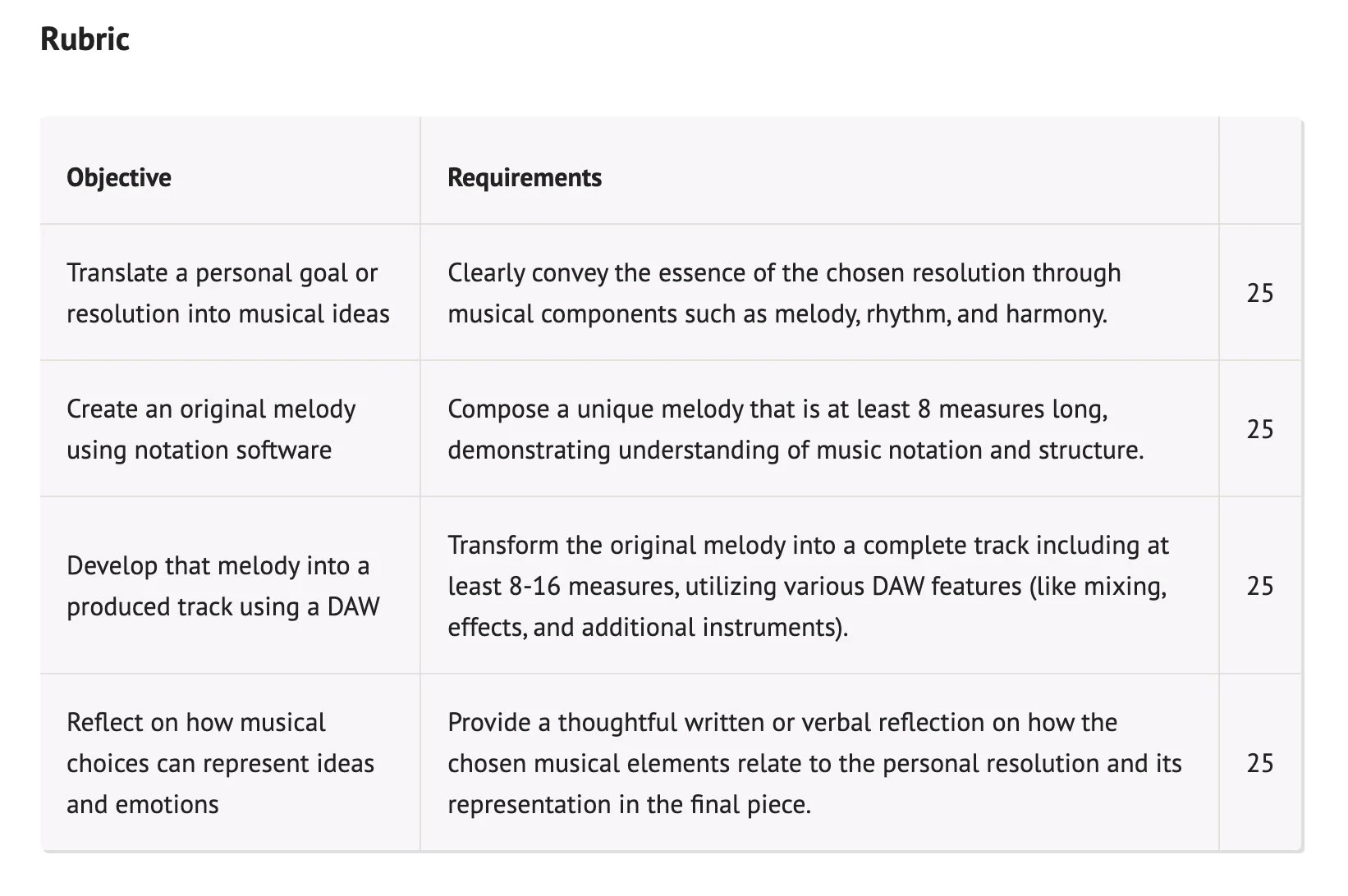
Translate a personal goal or resolution into musical ideas
Create an original melody using notation software
Develop that melody into a produced track using a DAW
Reflect on how musical choices can represent ideas and emotions
Day 1: Resolutions → Musical Ideas (45 minutes)
Discussion: New Year, New Goals (10 minutes)
Prompt students:
What is a New Year’s resolution?
Can music represent change or growth?
How might music sound if it’s about:
Trying something new?
Getting better at something?
Starting over?
Give examples:
Faster tempo = motivation or energy
Major key = optimism
Gradual build = progress
Students choose one resolution (school-related, music-related, or personal).
Notation Task: Compose a “Resolution Theme” (25 minutes)
Students will:
Compose an 8–16 measure melody that represents their resolution
Use:
One key
One time signature
A clear beginning and ending
Title their piece using a New Year–inspired name (e.g., Fresh Start, Level Up, New Path)
Encourage intentional choices:
Smooth vs. jagged rhythms
Repeated notes vs. melodic motion
Quiet opening vs. strong ending
Reflection & Save (10 minutes)
Students write or discuss:
What is your resolution?
How does your melody represent it?
Save/export notation file.
Day 2: Producing the Resolution (45 minutes)
DAW Mini-Lesson (10 minutes)
Demonstrate:
Importing or recreating a melody
Choosing instruments that match a mood
Adding a second track
DAW Task: Build the New Year Track (30 minutes)
Students will:
Recreate their melody in the DAW
Add at least one supporting layer:
Chords
Bass line
Percussion
Shape the music to show growth or change, such as:
Gradual volume increase
Texture build-up
Instrument change halfway through
Encourage experimentation—this is about progress, not perfection.
Reflection (5 minutes)
Students answer:
How did your music change from notation to DAW?
Does your finished piece still represent your resolution?
Optional Day 3: Sharing & Looking Ahead
Activities
Students share their track with a partner or small group
Peer feedback prompt:
What part sounds like a “new beginning”?
Optional written reflection:
How does this project connect to your goals for music class this year?
Scoring Rubric