Happy Public Domain Day 2026!
Every January 1st, we get a little cultural holiday that does not involve confetti or gym memberships. It is called Public Domain Day. On January 1, 2026, the United States public domain takes a meaningful step forward as works published in 1930 become free for all of us to copy, share, perform, arrange, remix, adapt, and reimagine. For music educators, there is an additional reason to pay attention. Sound recordings first published in 1925 also enter the public domain this year. The reason that I always mention this at the beginning of each year is that many of the projects that we do with our students as well as the music we perform with them is directly impacted by whether or not it is in the public domain. I’ve always been very interested in copyright law, specifically with what you can and can’t do with copyright protected content, so when things enter the public domain, I feel the need to highlight the new batch of “stuff” that you can now use with your students.
Public domain is not just about old material losing its protections. It is about legal clarity. It turns uncertainty into confidence and allows educators to say yes more often. Students can publish a podcast using a 1930 poem without worrying about licensing. Ensembles can perform and record arrangements built on newly public domain repertoire and share those recordings publicly. Teachers can build lessons around primary sources that students can annotate, adapt, and publish because the ownership of those works has returned to the public.
So what actually joins the public domain in 2026?
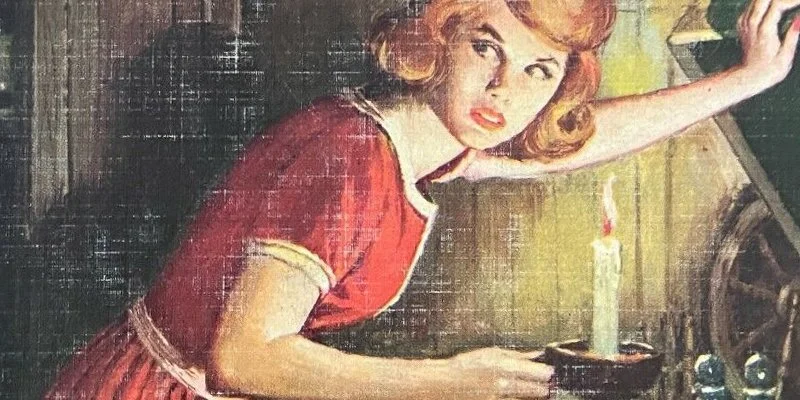
In literature and characters, this is a notable year. Early Nancy Drew novels are now free to use, adapt, and reinterpret. That opens the door for student written dramatizations, modern retellings, and interdisciplinary projects that connect storytelling with music, theater, and media arts. Classic detective fiction also arrives, including early appearances of characters such as Miss Marple and Sam Spade. These works are perfect for discussions about narrative structure, character development, and cultural context.
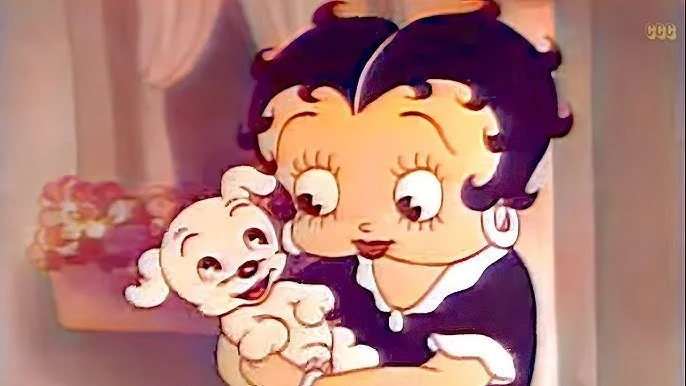
Animation and comics offer another exciting entry into the world of public domain. The earliest versions of Betty Boop and the first appearance of Pluto, who was originally known as Rover, are now in the public domain. For educators, this creates an opportunity for film scoring projects with content that the students will know. Students can create their own original scores to scenes and animations, and then post them online, all legally.
Film educators also have a great deal to celebrate. A range of early sound era and pre Code Hollywood films are now freely available. These films lend themselves beautifully to interdisciplinary projects. Students can analyze acting styles, discuss historical and social norms, or rescore scenes as a composition assignment. Because the films are in the public domain, students can publish their work online without the usual copyright complications.
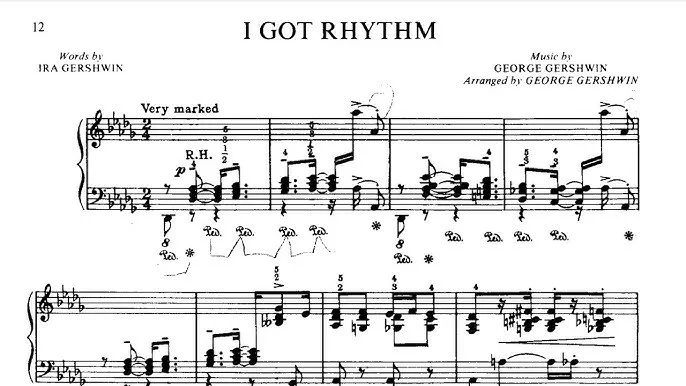
For music teachers, the most exciting news may be the compositions from 1930 that now become public domain. This includes several cornerstone American standards such as I Got Rhythm, Embraceable You, and Georgia on My Mind. These are not just famous tunes. They are foundational teaching tools. They offer rich opportunities to explore form, harmony, phrasing, style, improvisation, and arranging. Students can reharmonize, compose variations, or adapt these works into new genres and then share their results with the world.

The addition of sound recordings from 1925 also deserves attention. These recordings provide invaluable insight into historical performance practice. They can be used to build listening libraries, support research projects, or inspire thoughtful sampling and remix assignments that focus on context, ethics, and musical understanding.
There are, of course, important caveats. Public domain applies to the specific versions from 1930 or earlier. Later revisions, orchestrations, lyrics, character designs, or branded elements may still be protected. Trademarks can also affect how works are marketed. In other words, public domain expands creative freedom, but it does not eliminate the need for careful and informed decision making. If you’d like to find a complete list of all of the public domain works newly released in 2026, visit pdinfo.com.