Lessons Learned: Technology in Music Education
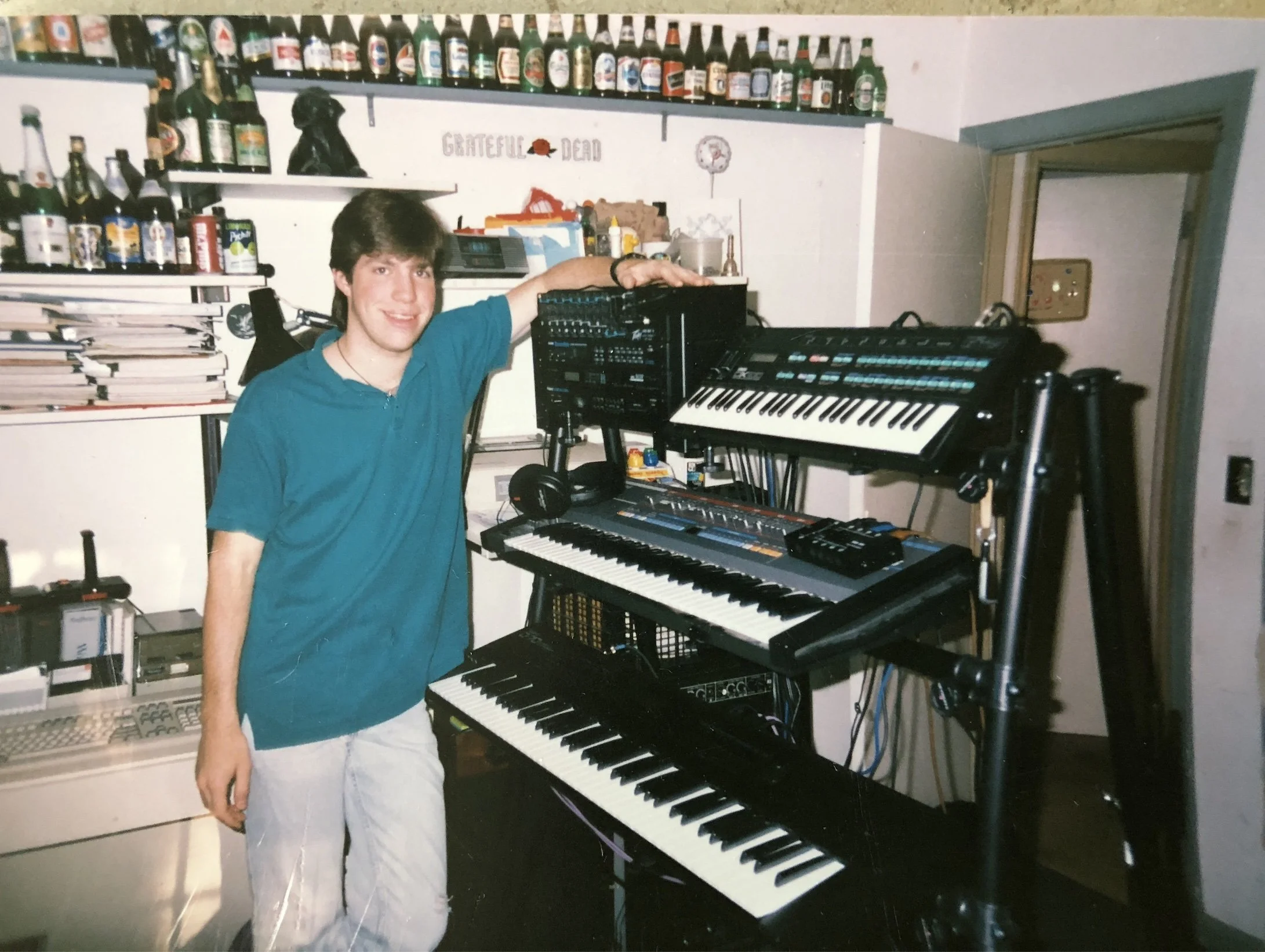
Me in my childhood home in 1990
Today I’m out in Colorado Springs, CO at the 2026 CMEA Conference on behalf of MusicFirst. I always enjoy traveling around the world meeting teachers at events like this. Frequently, I also present a variety of sessions for MusicFirst while I’m at these events, and this one is no different. Sometimes when I check the conference program, I notice that I am scheduled to present a session that I’ve never done before. We have an amazing team that creates session titles and descriptions for us, and at this show there’s a session titled: What the Tech?! Lesson Learned From 35+ Years Implementing Music Technology. Here’s the session description.
After three decades of tech roll-outs, one truth stands out: the hardest part isn’t the tech—it’s the people. In this candid session, we’ll explore 10 key lessons from 35+ years of implementing everything from metronomes to ProTools. Learn why pilot projects matter, how to use vendors to your advantage, and how to communicate with non-music administrators. Packed with real-world stories, practical insights, and a few cautionary tales, this talk is for anyone who’s ever struggled to turn great technology into real-world results.
It’s always a daunting task to sit down and create a new slide deck - especially for a session you’ve never done! But this one was pretty easy, and I found myself reflecting on my career. After 35+ years of working at the intersection of music, education, and technology, I’ve learned a few things, and a few truths continue to surface, especially when technology actually works in real classrooms . What follows is what I’ve learned from doing the thing and helping thousands of teachers do the thing as well. I hope you find these lessons useful.
Put Music First. Always.
This sounds obvious, yet it’s the most commonly forgotten principle. Technology is not the curriculum. Music is. If a tool doesn’t deepen musical understanding, expression, or musicianship, it doesn’t belong in the lesson—no matter how impressive it looks.
Excellent Teaching Comes Before Technology
To quote my good friend and mentor, Tom Rudolph, technology is not a panacea. Strong objectives, clear sequencing, and intentional pedagogy must come first. When teaching is sound, technology can enhance it. When teaching is weak, technology only magnifies the problems.
Start With Solutions to Real Pain Points
The best technology integrations don’t start with, “What’s new?” They start with, “What’s broken?” Assessment overload. Practice accountability. Student engagement. Feedback at scale. When tools are chosen to solve actual classroom challenges, they earn their place organically.
Test Tools Before You Buy—and Before You Teach
Pilot programs matter. Teachers should experience every workflow, assignment, and assessment themselves before students ever see it. This isn’t about control—it’s about empathy and instructional clarity. And while this may seem heretical - don’t rely solely on what the salesperson tells you. Try it yourself!
Use Technology to Extend, Not Replace, Human Interaction
The most effective uses of technology don’t replace the teacher; they extend the teacher. Models like SAMR remind us that substitution alone isn’t enough. The goal is richer interaction, more meaningful feedback, and deeper musical thinking—not automation for its own sake.
Think Inclusively Across Your Entire Program
Technology shouldn’t benefit only one ensemble or one type of student. The real power appears when tools support all learners—band, choir, orchestra, general music, theory, and beyond. Inclusive thinking multiplies impact.
Be Honest About What Tools Can and Can’t Do
Not every tool is designed for every job. Using the wrong technology to force an outcome is like using a screwdriver to hammer a nail. Realistic expectations prevent frustration and protect instructional integrity.
Students Want to Create Content in the Same Medium They Consume It
Today’s students don’t just want to interact with music—they want to make it in the same digital spaces where they already listen, share, and engage. Music technology lowers barriers to creation, composition, recording, and reflection in powerful ways.
Relationships Matter: IT and Administration Are Partners
Successful integration doesn’t happen in isolation. Building strong relationships with IT departments and administrators turns potential obstacles into advocacy. Funding conversations are part of curriculum conversations—and educators should never be afraid to ask.
Learn With and From Your Students
Here’s a quiet truth: if you’re stuck, ask a student. They often know more about the technology—and that’s not a weakness. It’s an opportunity to model lifelong learning, curiosity, and shared ownership of the classroom.