Resource for Jazz Appreciation Month: NYC Jazz Map
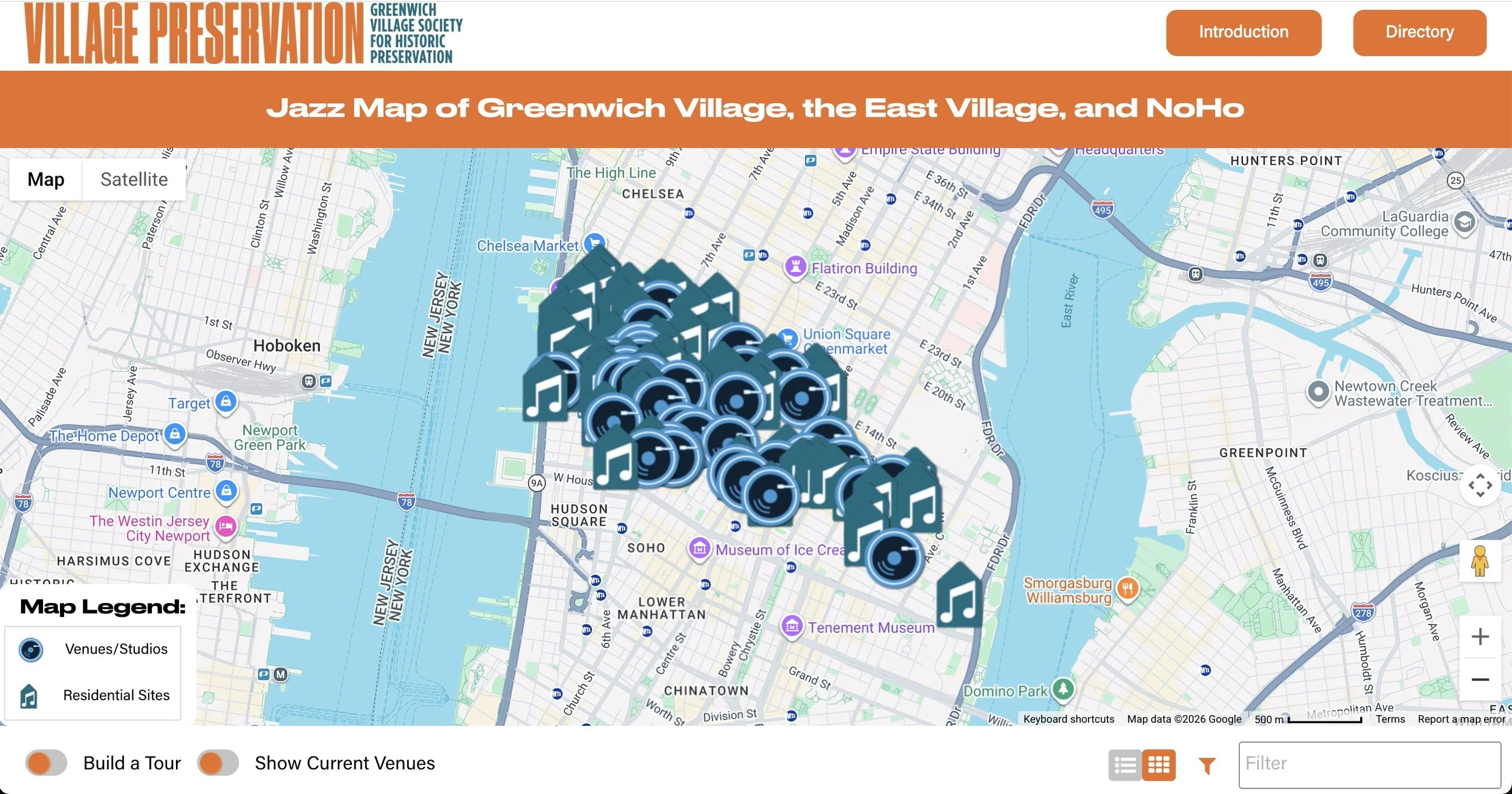
Each April, Jazz Appreciation Month gives us a chance to introduce students to a style of truly American music that is rich with creativity, history, and personality. With music students in particular, the challenge is making that history feel real and engaging. One resource that can help do exactly that is the Jazz Map by Village Preservation. Believe it or not, I found out about this wonderful resource on my TV local news. After clicking through the map and finding out lots of new things about the city I’ve grown up in, I think its a great resource for all music teachers and their students.
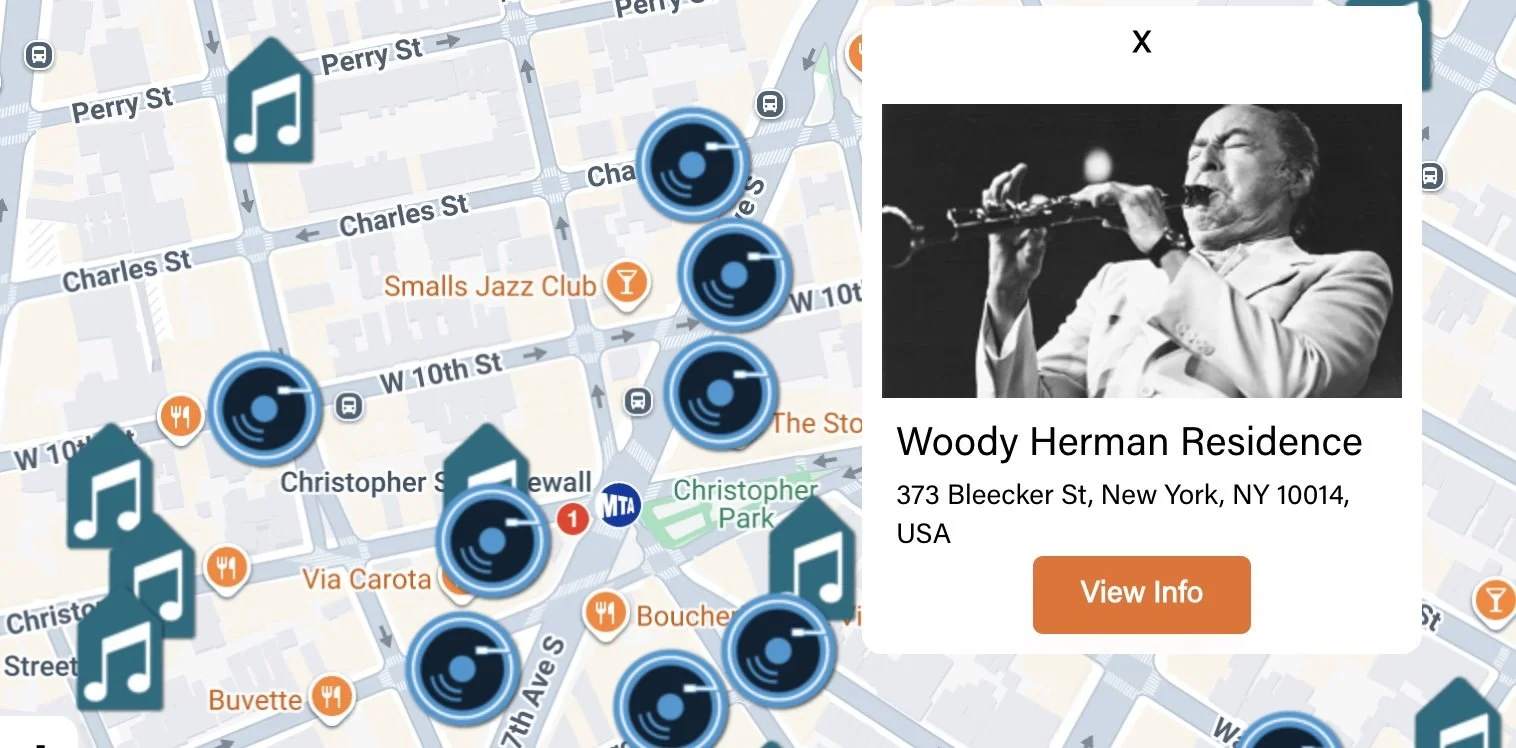
This interactive map focuses on neighborhoods in New York City where jazz musicians lived and performed. There are two icons to click on: the record icon shows jazz venues and recording studios, and house icons show where famous musicians lived. As students explore, they can click on different locations to learn about clubs, apartments, and studios connected to some of the most important figures in jazz. What makes this especially useful for younger students is how visual and intuitive it feels. They are not just reading about jazz. They are exploring it.
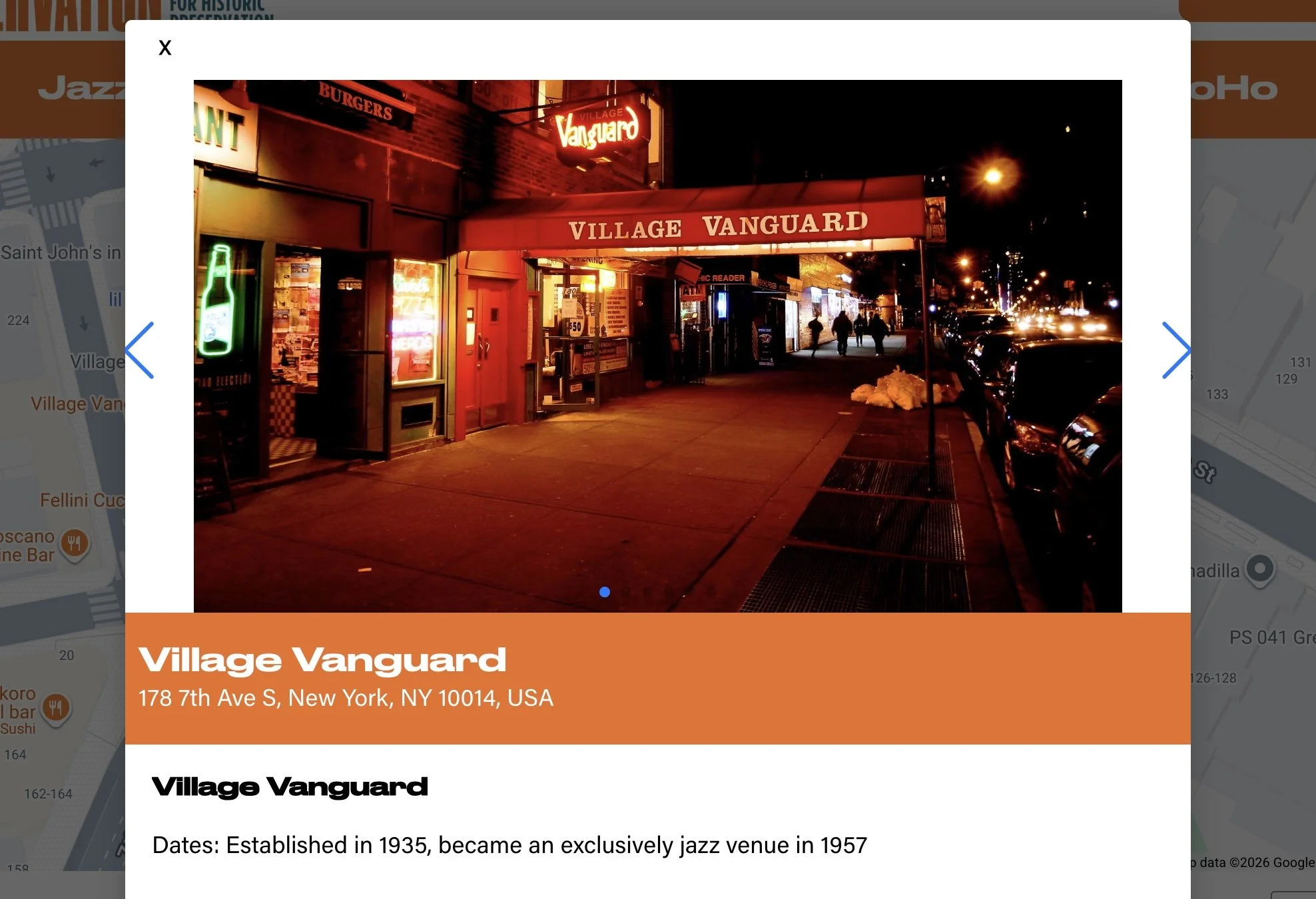
For young learners, connecting music to something concrete can make a big difference. When students can see where a musician lived or performed, it helps them understand that this music came from real communities and real experiences. Jazz stops feeling like something from a textbook and starts to feel more like a story they can step into. Although I have walked these neighborhoods many times and it definitely makes it a bit more meaningful to me, I think that this resource can be used by ANY music teacher who is teaching their students about jazz. Here are two quick ideas on how you can use this resource in your classroom:
One simple way to use the map is to build a listening activity around it. Every one of the map entries has a long list of links and media at the bottom of each info page. Choose a few artists featured on the map and have students listen to recordings of their music. If you are using MusicFirst Classroom, you can organize these examples into an assignment and guide students with a few focused questions. As they listen, you can show them the locations connected to each artist. This helps students make a clear connection between what they hear and where the music was created.
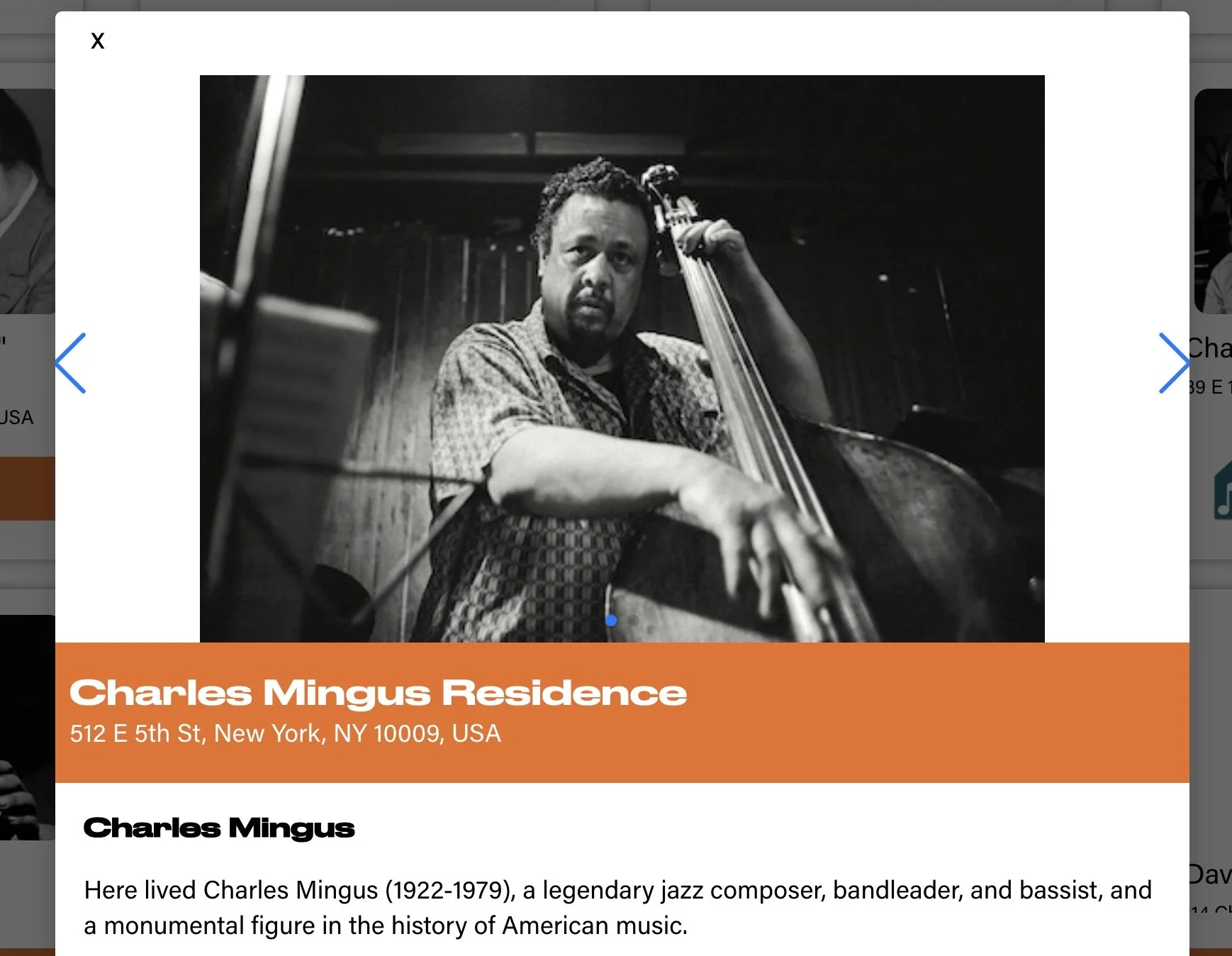
You can also turn this into a creative project. Ask students to select two or three locations from the map and create a short presentation. They might describe what happened at each location, who was involved, and what the music sounded like. If your students are using tools like Soundtrap, YuStudio or Flat for Education through MusicFirst, they could even create a short piece inspired by one of the locations. This gives them a chance to respond to jazz in a hands-on way rather than just learning about it.
What I really like about this resource is how naturally it fits into what we already do. It does not require a major shift in your teaching. Instead, it adds a layer of context that helps students understand the music more deeply. It also keeps students engaged because it feels interactive and exploratory, which is exactly what middle school learners respond to best.
Jazz Appreciation Month is a great time to remind students that music is more than notes on a page. It is shaped by people, places, and moments in time. By using tools like the NYC Jazz Map alongside the resources you already have in MusicFirst, you can help students see and hear jazz in a way that feels immediate and meaningful. Enjoy!