Soundtrap Adds Stem Splitting Feature
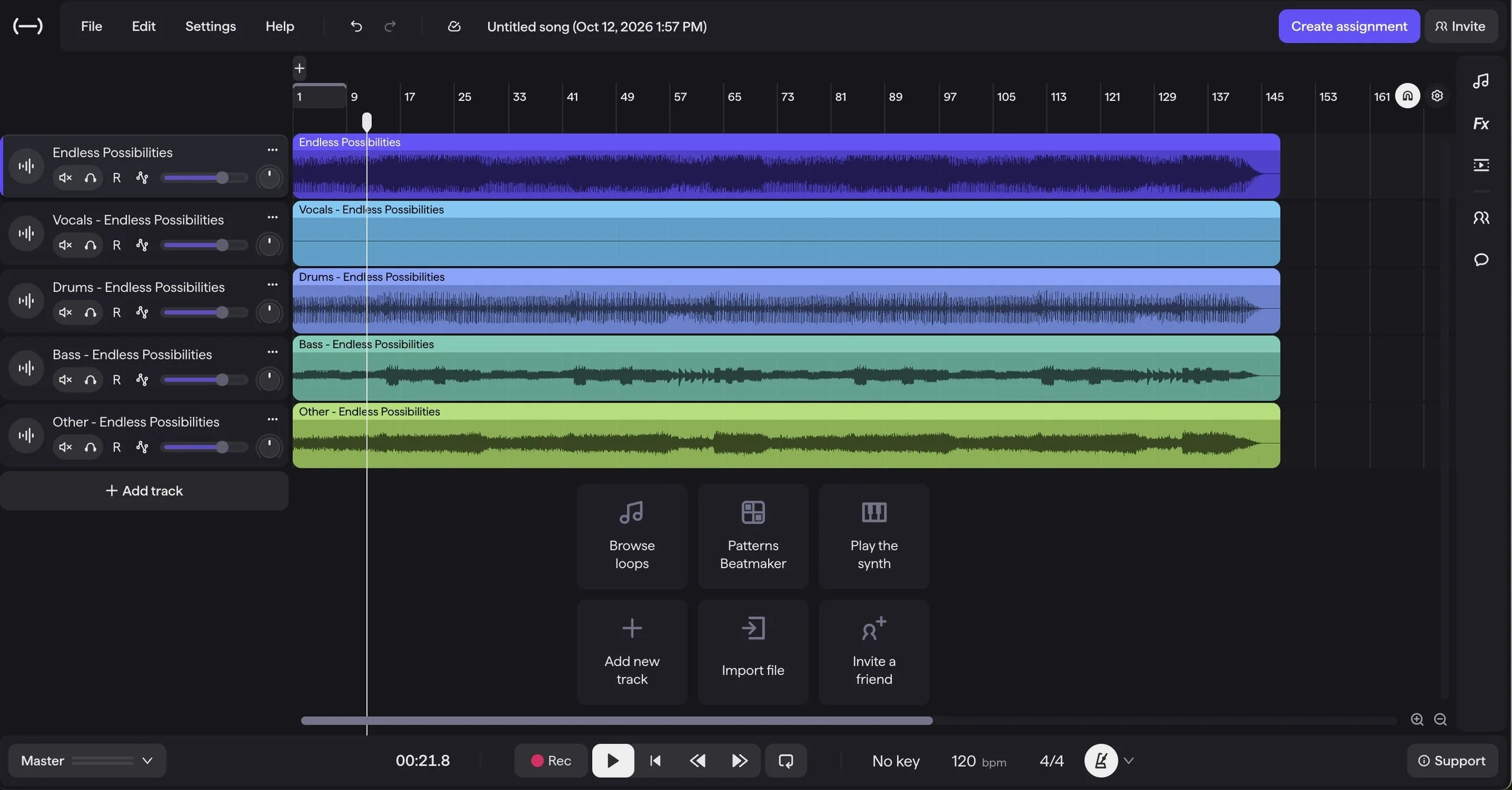
Last week, Soundtrap for Education quietly launched an incredibly powerful feature - stem splitting. For those of you who know what this is, I can hear you cheering all the way from my home in Vermont. Stem splitting allows you to import any audio file and have the tracks split into their individual instrument parts and vocals. If you’ve seen of my posts about Moises, you know how useful this is when teaching students music. The easiest way to use it is importing a solo instrumental or vocal part with piano accompaniment. Once you split the stems, the student will be able to mute the solo part to play or sing along with the accompaniment. You can export each individual or combination of stems. It’s very cool. Here’s the overview video created by the folks at Soundtrap for Education:
Amazing - am I right? The stem splitter feature is now live for all Soundtrap for Education users. I decided to take it for a test spin over the holiday weekend, and I am really impressed. Here’s a very quick tutorial on how to use this feature:
Step 1: Open Soundtrap and create a new music project.
Step 2: Import an audio file into your project by dragging it onto the workspace or using the import option.
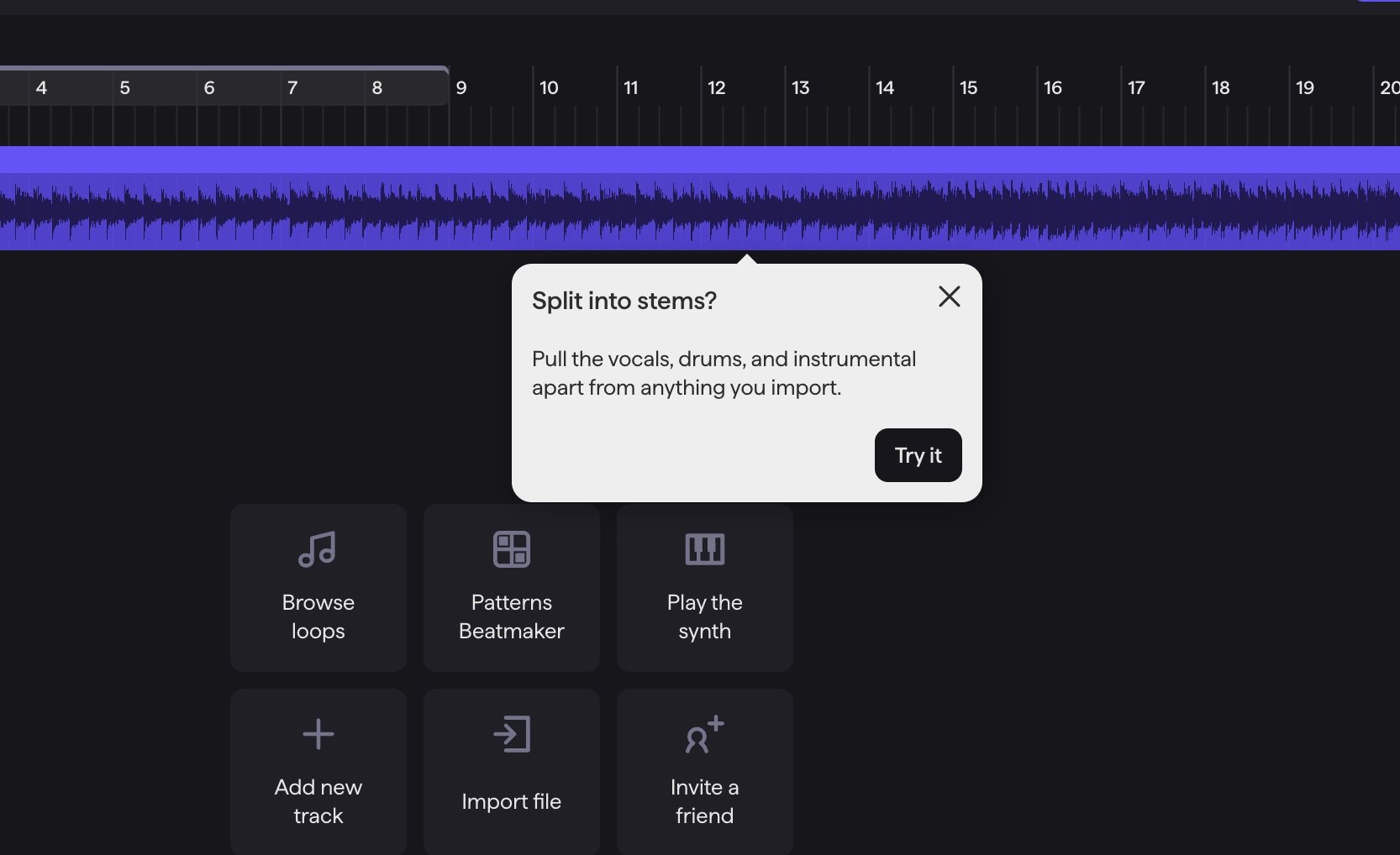
Step 3: Right-click on the audio region or open the Edit menu and select Stem Splitter.
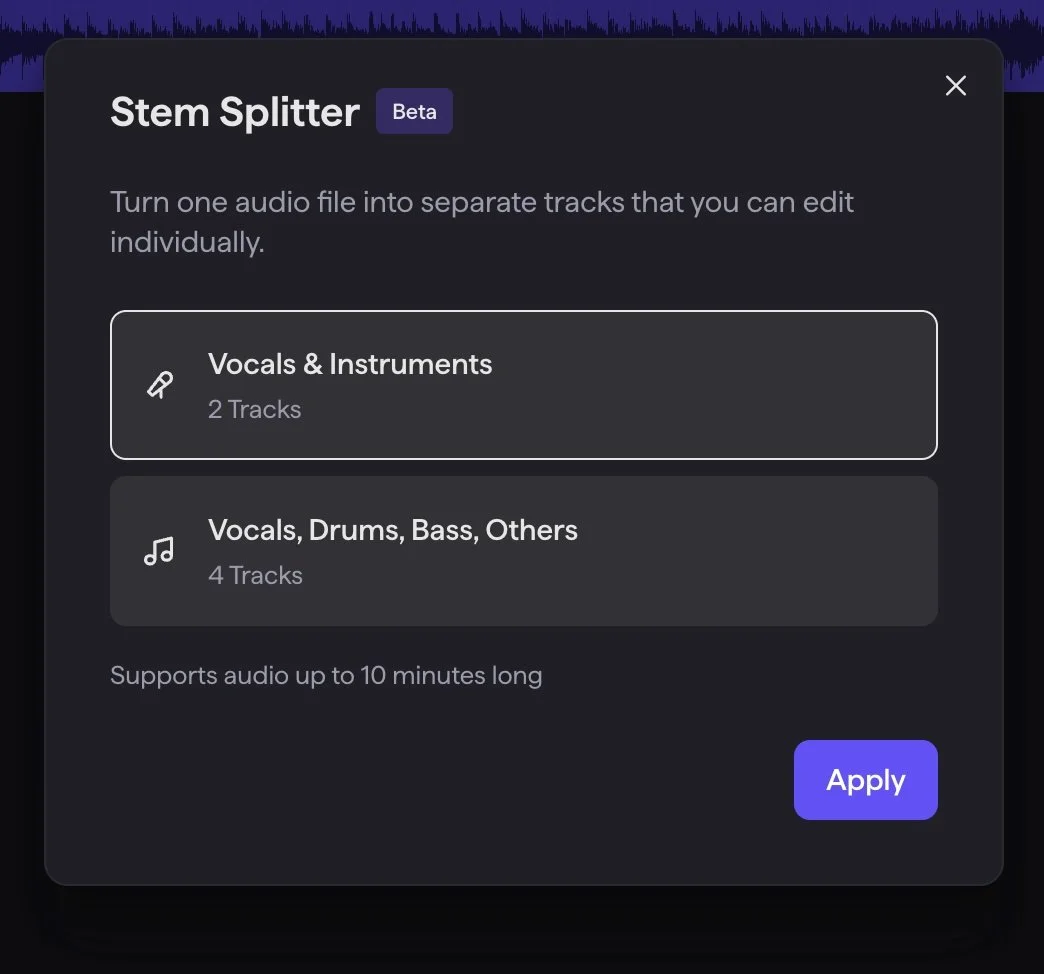
Step 4: Choose how you'd like to separate the recording. You can split it into two tracks (vocals and instruments) or four tracks (vocals, drums, bass, and other instruments).
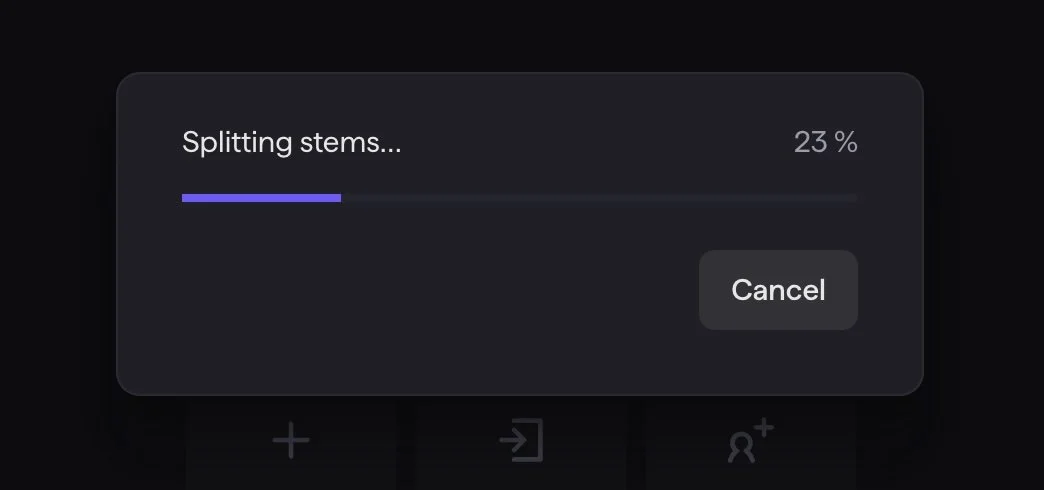
Step 5: Click Apply and let Soundtrap process the recording. It took about a minute for Soundtrap to split a 2 minute track into stems.
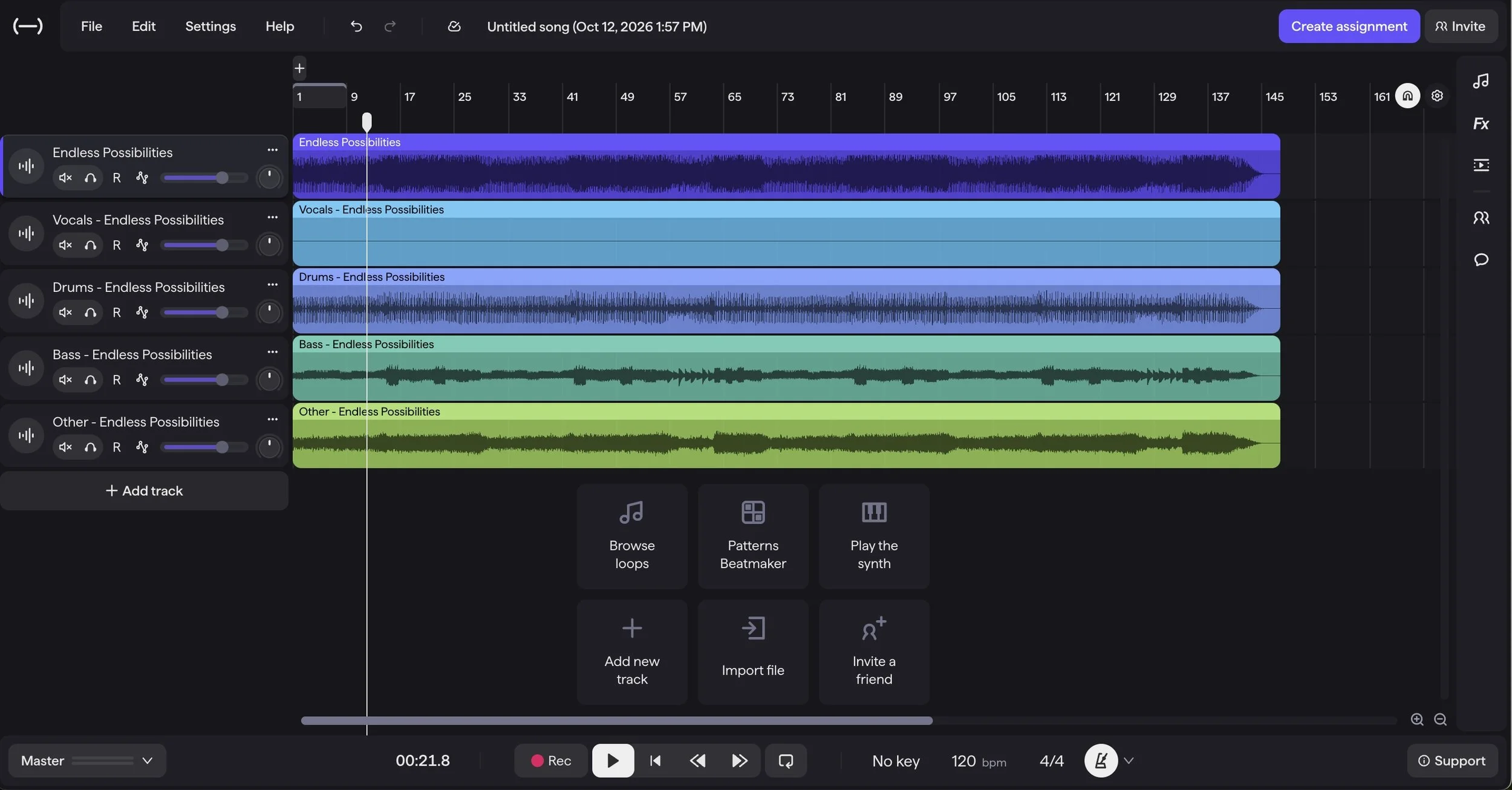
Step 6: Once the new tracks appear, you can mute, solo, adjust the volume, or remix them however you'd like.
Keep in mind that Stem Splitter currently supports audio files up to 10 minutes long and is available to teachers and account owners on Soundtrap EDU District plans.
If you’d like to take Soundtrap for Education for a test ride, just sign up for a FREE 30-day trial.