The Future of Music Creation: Are We Protecting Creativity or Protecting the Barriers We Had to Overcome?
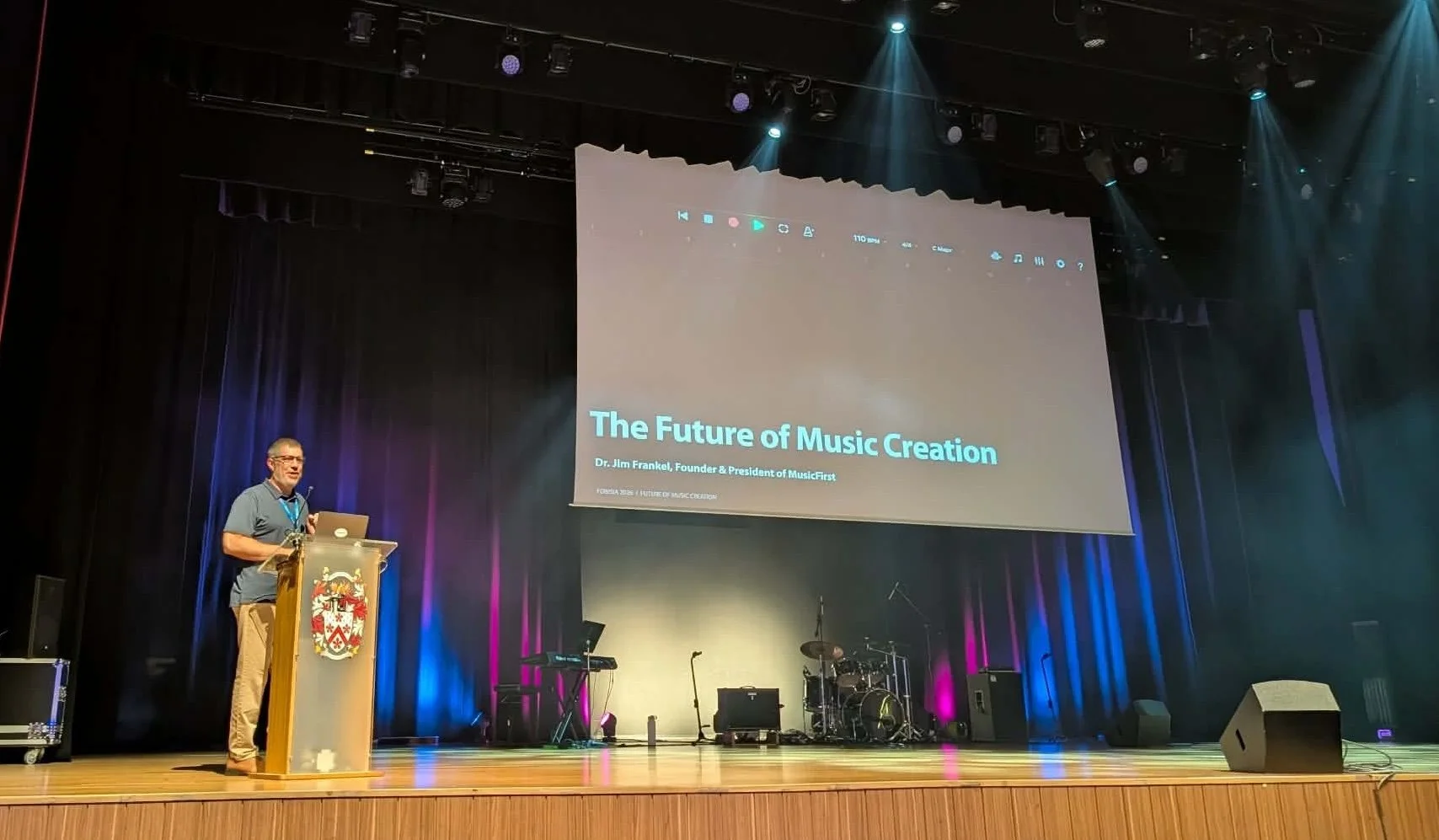
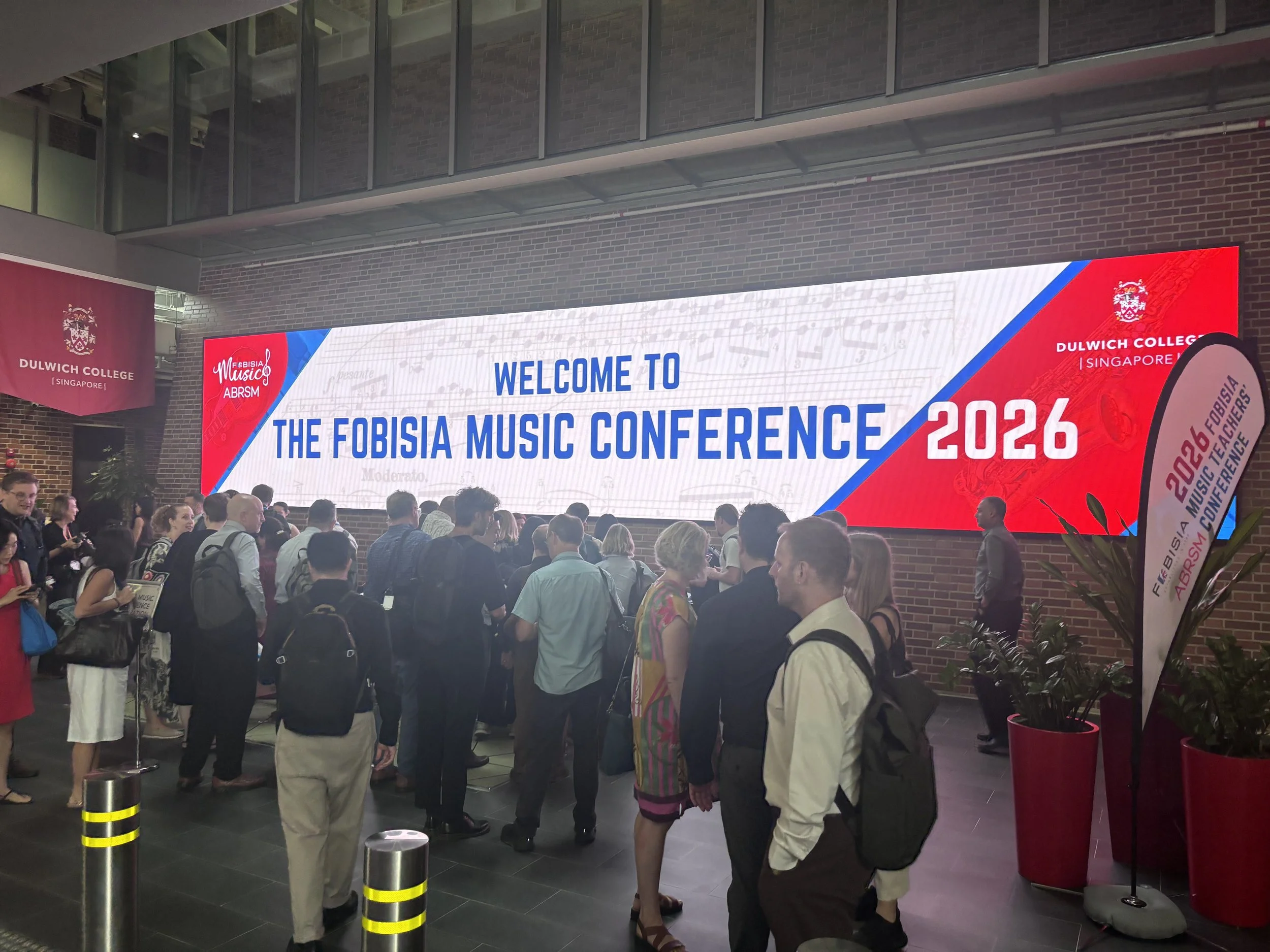
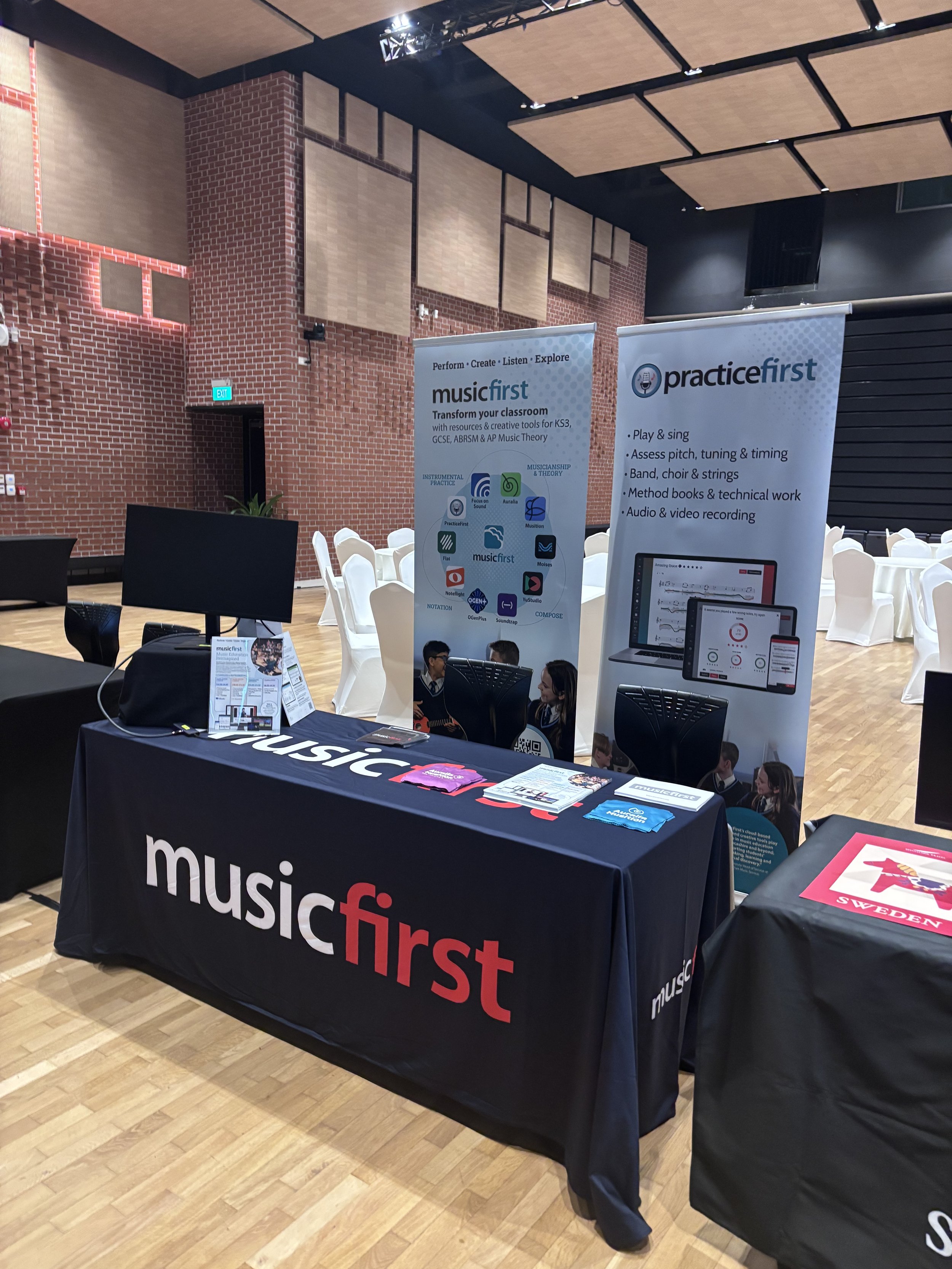
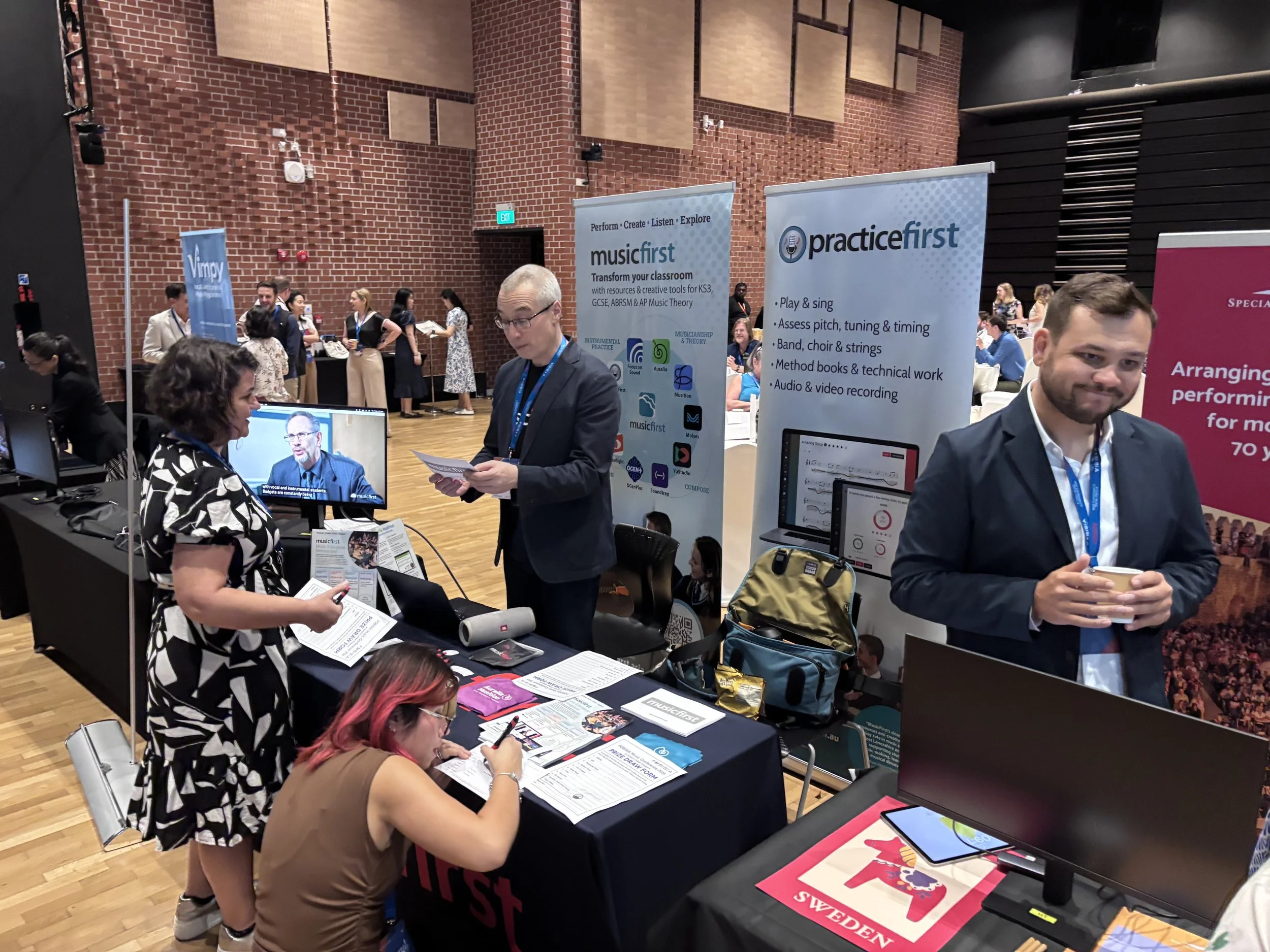
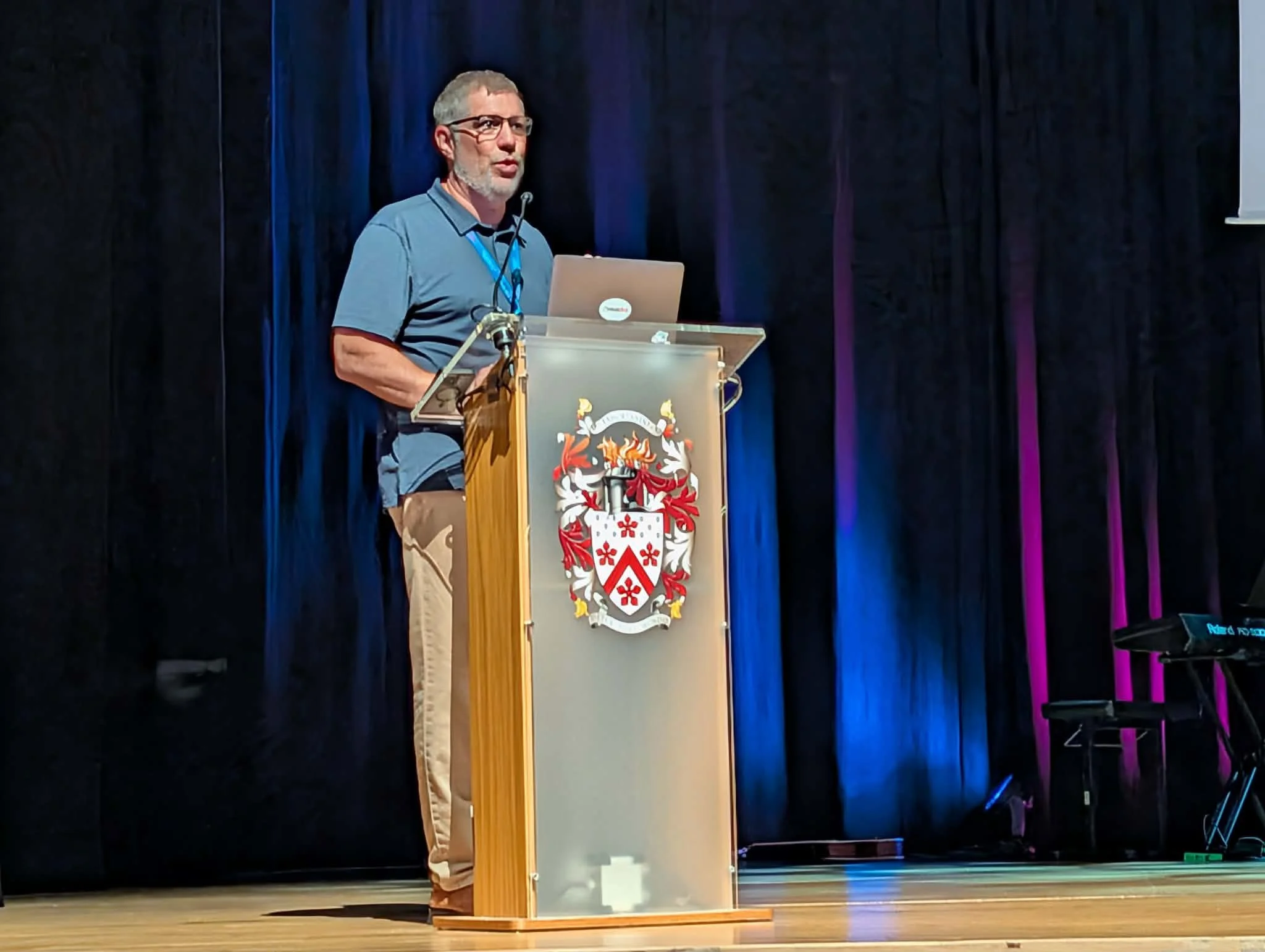
I recently had the pleasure of delivering a keynote address on behalf of MusicFirst at the 2026 FOBISIA Music Teachers Conference, held at Dulwich College in Singapore. With 140 delegates in attendance, I had just 25 minutes to explore a topic that I believe will fundamentally change the way we teach music: The Future of Music Creation. I really enjoyed putting this presentation together, and the 25-minute time limit turned out to be a good thing. It forced me to focus on the questions I believe music educators need to be asking rather than spending time demonstrating the latest AI tools. I wanted to challenge some of our assumptions about creativity and encourage teachers to consider how generative AI might enhance the creative process rather than diminish it. Here is a link to a PDF version of the slide deck that I presented.
I began by asking the audience how they were using generative AI in their own teaching and how their students were using it. This led to a discussion about an interesting double standard. Many of us are already using AI to create lesson plans, rubrics, worksheets, concert programs and other teaching materials. We appreciate the time it saves us, yet when a student uses AI to help compose music, our reaction can be quite different. Why are we comfortable using AI to make our jobs easier but uncomfortable when students use it to make their creative work easier?
I also introduced the concept of vibe coding, where people use natural language and AI to develop software without necessarily knowing how to write code. We celebrate someone who creates an application this way, yet we often question whether a student who uses AI to generate and refine musical ideas can legitimately call themselves a composer. I suggested that perhaps some of our resistance is territorial. We spent years developing our musical skills, and AI now allows students to bypass some of the technical barriers we had to overcome. Are we protecting creativity, or are we protecting those barriers?
Of course, music has always embraced new technologies. Synthesizers, drum machines, MIDI, sampling, notation software and digital audio workstations have all changed how musicians create music. Generative AI is different because it can make creative decisions on our behalf, but that doesn't mean students have to surrender their creativity. As I explained during the presentation, creativity is not a file format. It's a chain of decisions.
Rather than allowing students to outsource the entire creative process, we should encourage them to use AI to generate ideas, listen critically, evaluate possibilities, reject material, make changes and reflect on their decisions. This also means reconsidering how we assess student compositions. Instead of focusing exclusively on the finished product, we should be asking students what decisions they made and why.
Perhaps the greatest opportunity is that AI could allow more students to experience the joy of creating music, even before they have developed advanced instrumental or theoretical skills. We can lower the floor for students entering the creative process while continuing to raise the ceiling for their musical development.
The delegates seemed to really enjoy the presentation, and I certainly enjoyed the opportunity to share these ideas with fellow music educators. My hope was that they left both inspired by the possibilities that AI offers our students and questioning some of our traditional assumptions about what it means to create music.
The future of music creation isn't AI. It's what our students choose to do with it.
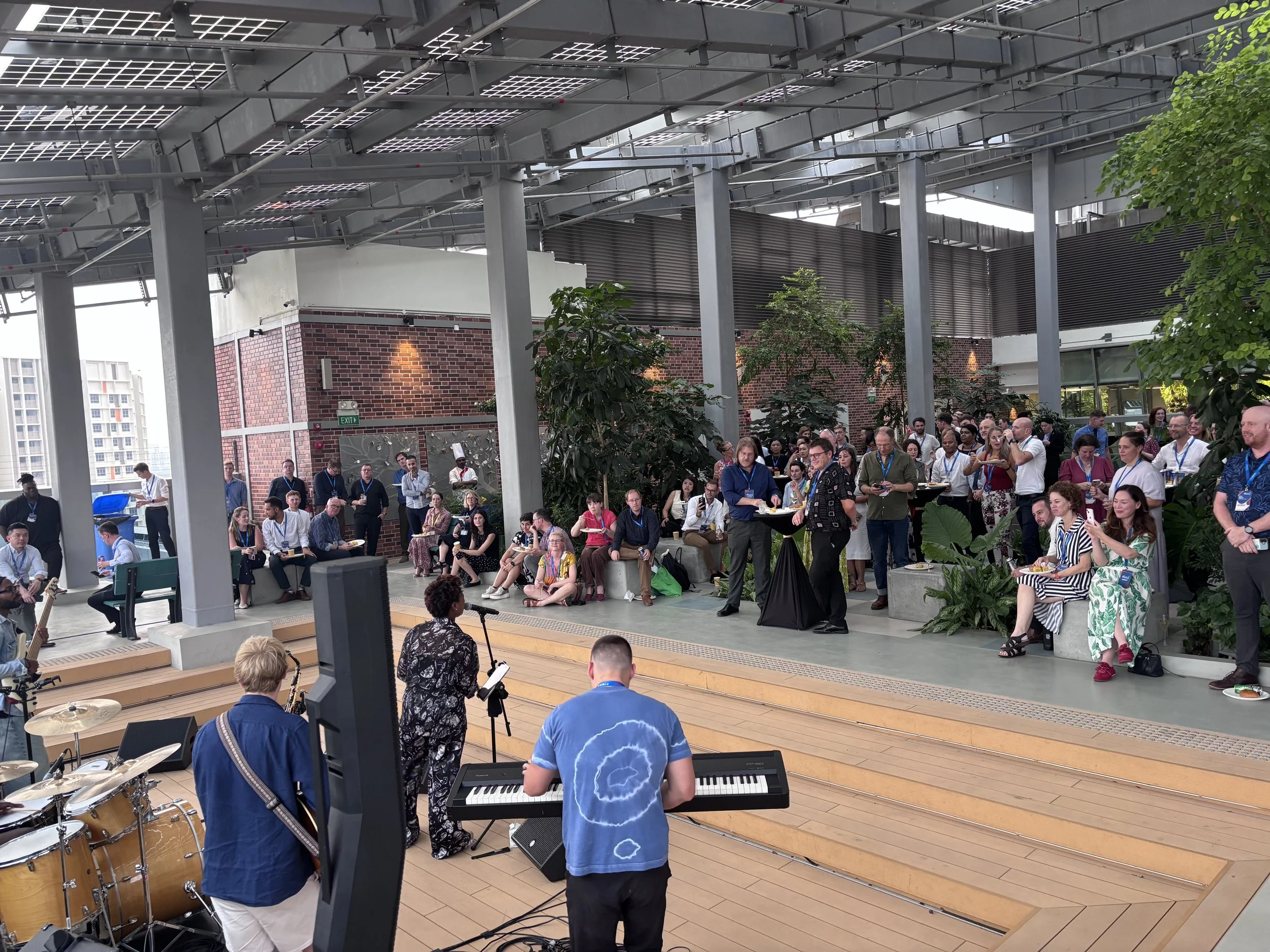
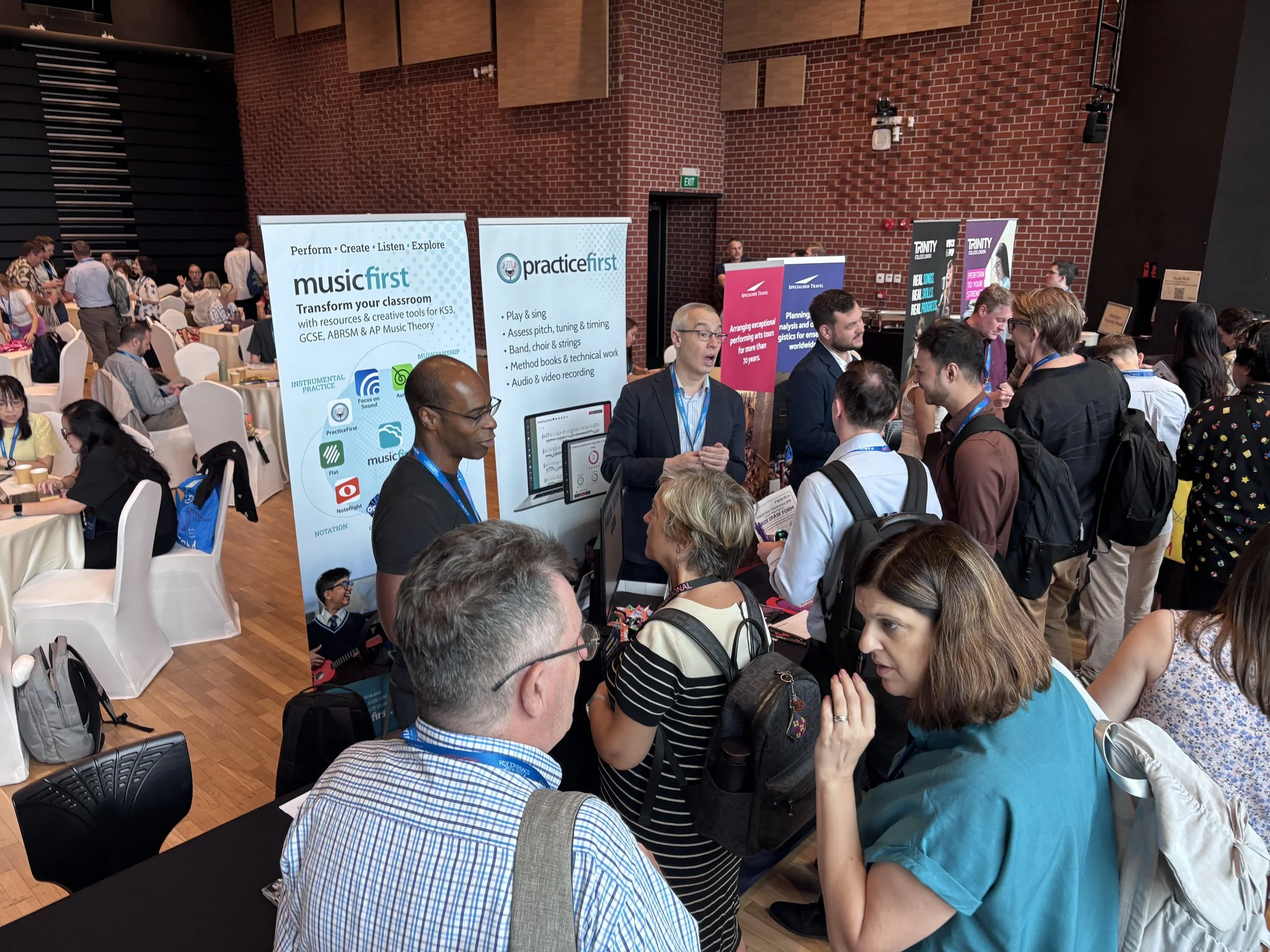
Below are some pictures of the event. I look forward to returning to the FOBISIA Music Teachers Conference again in the future - a great group of passionate music educators!