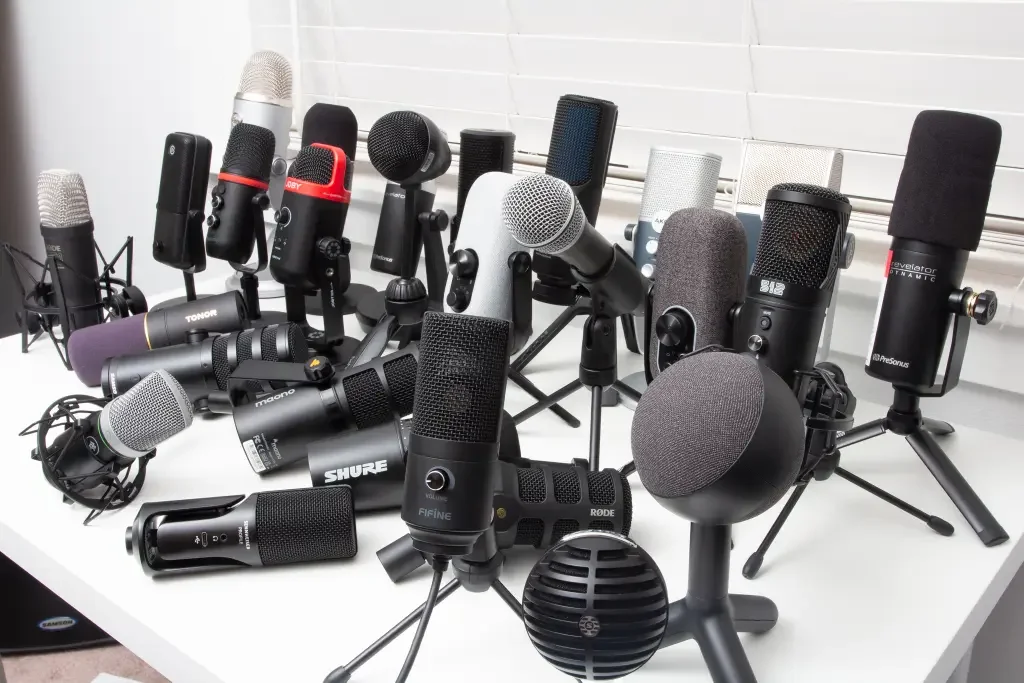
I’m sitting here on a rainy Sunday in New York, watching my NY Jets struggle against the Atlanta Falcons, so I thought I would write a blog post about one of the most essential pieces of gear that I personally think every music educator should have as part of their tech setup: a USB microphone. I know it may not sound as exciting as the latest AI-powered app or notation tool—but trust me, none of those tools reach their full potential unless the audio going into them is clean, clear, and musical. And that’s exactly what a good USB mic gives you. As music educators, we’re constantly recording: ourselves, our students, our ensembles, warm-ups, assessments, reference tracks, virtual lessons, interviews, even our own professional development sessions. We communicate musically every day, and relying on the mic in a laptop or phone is like trying to teach clarinet tone through a kazoo—it technically works, but not really that well. I record all of my podcast episodes over Zoom, and I guarantee if you’ve listened to a bunch of episodes, you can easily tell when someone used a USB microphone to record their voice, and when they didn’t.
When USB microphones first came out in the mid-2000’s, they changed everything about recording audio into a computer largely because they’re so simple. No interface, no preamp, no mess of cables. Just plug it into your computer, set your gain, and suddenly your audio quality jumps. Better clarity, better dynamic response, less background noise. Your demonstrations sound more accurate. Your feedback becomes clearer. Students hear the nuance you intend for them to hear. And with so many digital tools now powering our classrooms—PracticeFirst, Sight Reading Factory, Moises.ai, Soundtrap, Noteflight, and a rapidly expanding universe of AI-assisted learning platforms—good input audio is essential. If the mic can’t capture tone, articulation, resonance, and balance, these tools can’t analyze or evaluate student work accurately. When the audio improves, the entire teaching process improves with it.
So the big question I always get is: Which USB mic should I buy? And the great news is that there’s a solid option at every price point. Here are my three picks for reliable and affordable USB microphones at three different price points:
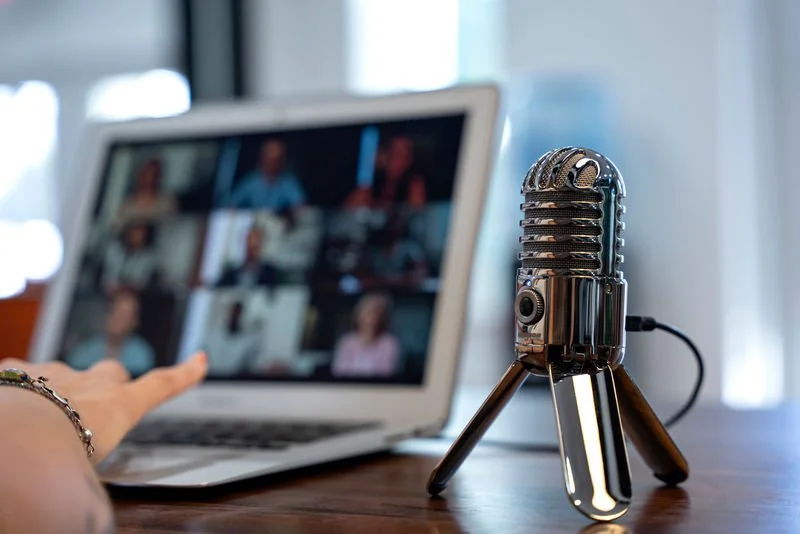
A Great Budget Pick: Samson Meteor Mic (~$60–$80)
If you’re trying to stretch your budget or purchase multiple mics for students, this little workhorse is hard to beat. It sounds warm, it’s surprisingly sensitive for the price, and the fold-out legs make it both portable and durable. It’s miles ahead of any built-in mic your students are currently using at home.
Find it at: Sweetwater.com for $69.99 HERE
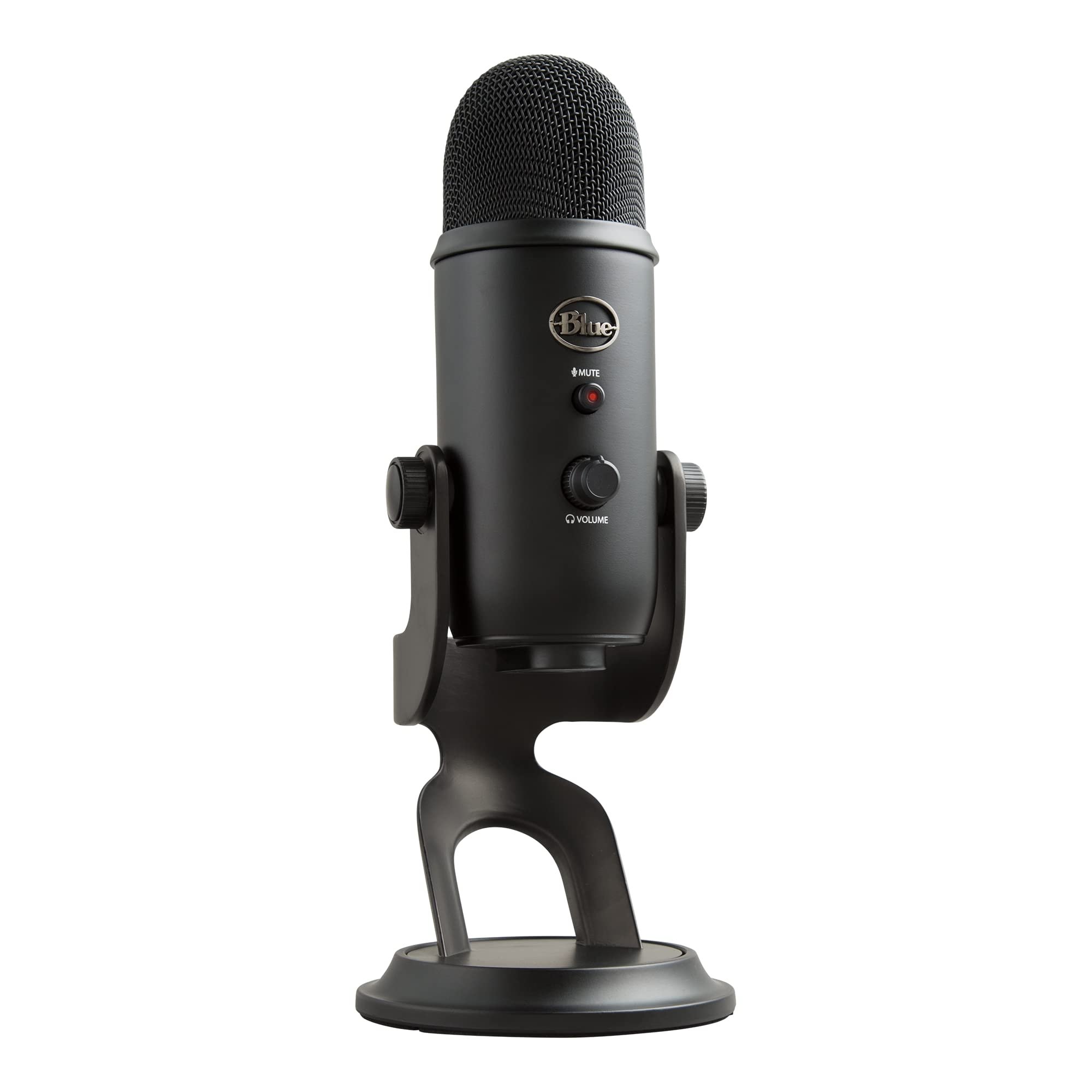
A Reliable Mid-Range Choice: Blue Yeti Pro ($100-$130)
If you want more flexibility—multiple pickup patterns, rich tone, and enough power to handle everything from soloists to small chamber ensembles—the Yeti Pro is a fantastic choice. It’s also ideal if you’re creating high-quality demos, audition recordings, podcast content, or professional instructional videos.
Find it at: Sweetwater.com for $94.99 HERE
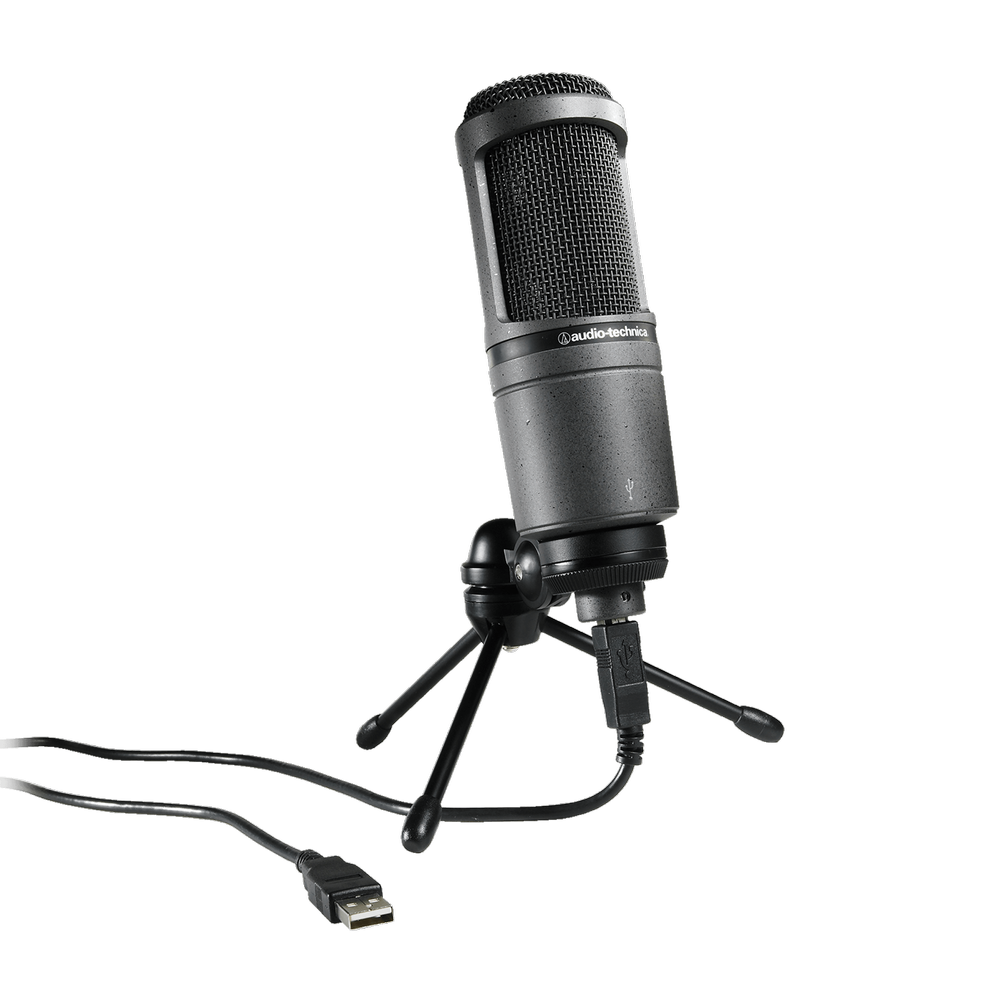
Audio-Technica AT2020 USB+ ($150 and up)
This is my go-to recommendation for most music educators. The AT2020 USB+ offers clean, professional clarity without requiring you to be an audio engineer. Whether you're recording wind players, singers, strings, percussion, or your own voice, this mic handles it beautifully and consistently.
Find it at: Sweetwater.com for $139 HERE
One last suggestion: get yourself a nylon pop filter. They eliminate plosives and make recordings sound SO much better - ESPECIALLY if you are recording your students. You can find a “cheap and cheerful” one right HERE.
A good USB microphone isn’t just another gadget. It’s one of the simplest, most impactful upgrades you can make in your teaching. It elevates your recordings, improves your assessments, supports your students’ growth, and unlocks the full potential of the digital tools we rely on every day. In a world where our musical communication increasingly moves between the live classroom and the digital one, great audio is no longer optional—it's essential. Put it on your holiday gift request list today!!