January is filled with music educator conferences around the country and the world. I’ve spent nearly 30 years presenting sessions at these events and I’ve noticed something. Although string programs are a HUGE part of American music eduation, they are often the smallest part of a conference. They also often feel left out of dedicated music technology solutions. At MusicFirst we’ve always tried to provide the best tools for ALL aspects of a music program - including strings. The recent launch of the Beginner Orchestra Curriculum in Auralia & Musition is a perfect resource for beginning string players. Rising Software, a part of MusicFirst, has once again shown what it means to listen closely to the needs of music programs and respond with heart, insight, and genuine support for musical growth.
For years, technology in music education has tended to focus on band or general music contexts, which has left many string players feeling like afterthoughts. For all the innovation in apps and platforms built for trumpets, saxophones, and percussion, dedicated tools and resources for violin, viola, cello, and bass players have been comparatively rare. That has quietly reinforced a sense that technology is for everyone but us. Not anymore. This Beginner Orchestra Curriculum changes that in a big way.
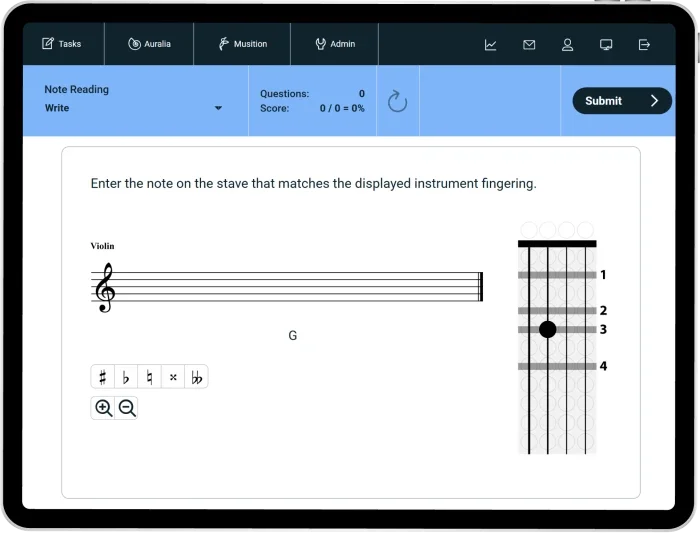
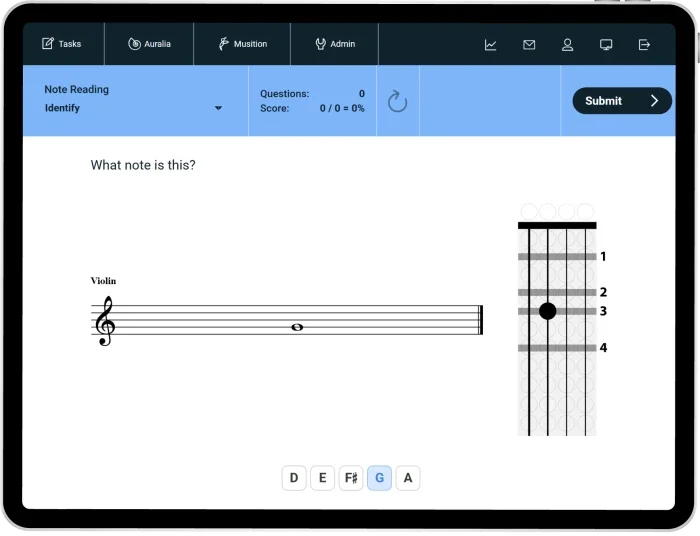
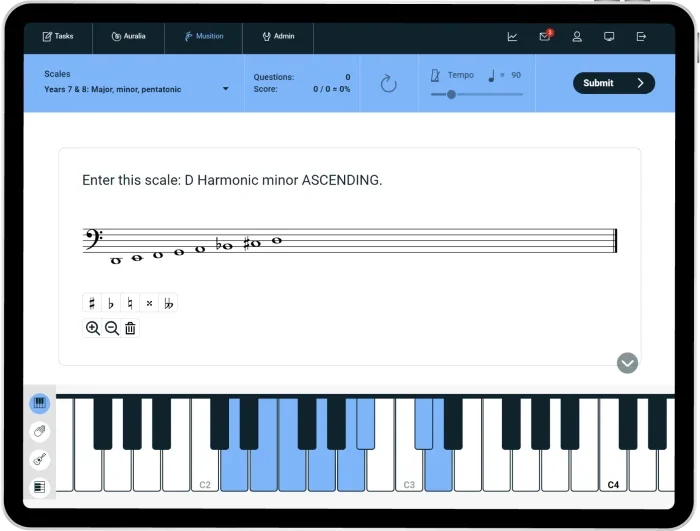
What makes this curriculum so special is the way it invites young orchestral musicians into the world of music theory and ear training on their instruments. Gone are the days when a string player learns rhythms and scales meant for band students and then returns to the instrument wondering how it all fits together. Now students can see note names, staff positions, and the fingerings on their own instruments integrated beautifully across the lessons. Pitches are automatically displayed in the appropriate clef, making immediate sense to the learner. This link between theory and physical technique builds confidence, not confusion.
The curriculum is thoughtfully designed to nurture reading fluency, aural acuity, and deep musical understanding. The range of automatically assessed worksheets gives teachers a powerful way to guide students while also freeing them from time-consuming grading. Teachers can finally spend more minutes shaping musical minds and fewer minutes wrestling with paperwork. That alone would be worth celebrating, but there is so much more here. The integration with tools like the MusicFirst Classroom means adoption is as simple as a single click, allowing orchestras, bands, and ensembles to move forward together on a shared journey of musicianship evolution.
In conversations with orchestra directors and through regular visits to classrooms and rehearsals, a consistent theme emerges: string educators are looking for technology that is designed with their students in mind. Many existing tools ask string players to adapt to generalized content rather than offering instruction that reflects the realities of learning a bowed instrument. The Beginner Orchestra Curriculum addresses that gap by providing materials that align directly with the way string students read, hear, and perform music, supporting skill development without requiring teachers or students to translate concepts from another context.

This curriculum will be live in the MusicFirst Classroom in the next week or so. To access it in the MusicFirst Classroom, simply click on the MusicFirst Content Library, then select the course title (graphic above), and click Use This Course. We will alos be publishing a Beginning Band course soon as well. I’ll write about that curriculum once it’s live. If you’d like to sign up to preview this course once it is live on the site, just click HERE for a FREE 30-day trial.