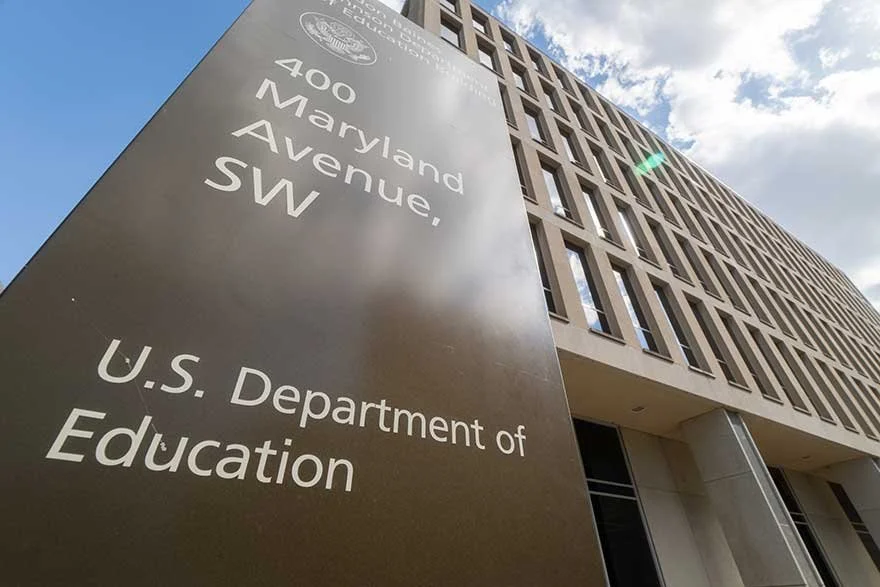
What Could Closing the U.S. Department of Education Mean for Music Education?
If you’ve been watching the news lately, no doubt you’ve heard that the current administration is actively trying to shot down the US Department of Education (DoE). And if you’re anything like me (and many other educators) you’re probably concerned about what this might mean for teachers, students, schools, and more personally, music programs. While the rhetoric often simplifies the issue to slogans about “local control,” the reality is far more complex—especially for music educators. Imagining a future where DoE no longer exists isn’t just a thought experiment; it’s a chance to consider how deeply intertwined federal policy is with the health of our band rooms, rehearsal halls, and music tech labs nationwide.
S-Cubed in the MusicFirst Classroom: Perfect for Choral Music Educators
For secondary choral educators, sight-singing can feel like one of those perpetual uphill battles. You know it’s essential. You know it builds independent musicians. And you know that when students really understand how to decode notation, rhythm, and tonal relationships, your entire rehearsal experience transforms. But finding a curriculum that is both pedagogically sound and realistic for today’s diverse classroom can be a challenge. That’s why having S-Cubed: Sight Singing Program for Beginners available as included content directly inside the MusicFirst Classroom is such a great thing for choral music educators.

Building Better Sight-Readers with Sight Reading Factory and the MusicFirst Classroom
Today at the Iowas Music Educators Conference in Ames, Iowa, I am presenting a session titled Sight Reading Tips for Every Situation - the first time I’ve ever presented it. Whenever I have a new session to deliver, I spend HOURS crafting the sequencing of the session, as well as the slide deck - and this one was no different. And to be honest, getting a blog post out of this as well is a bonus :). This session called for me to not only highlight how MusicFirst can help music teachers help their students become better sight readers - it also called for practical pedagogical tips. That made me think, because for as long as I’ve been teaching and working with music educators, sight reading has remained one of the most essential (and often most challenging) skills we develop in young musicians. Whether it’s preparing a middle school band for festival or helping a high school choir confidently tackle new repertoire, strong sight-reading is foundational to musical literacy. Yet teachers repeatedly tell me they lack the time, differentiated materials, and consistent structure needed to truly build fluency.

Audio > Sheet Music: Meet Songscription
As someone who has spent my entire career at the intersection of music education and technology, I’m always intrigued, and often skeptical, when a new AI-powered tool promises to “revolutionize” the way we teach, learn, and create music. For many years now, the “Holy Grail” of music software is one that can convert an audio recording to sheet music. I’ve seen MANY come and go - and they usually go because publishers file lawsuits to stop those technologies the moment they are launched. Even so, two AI-powered solutions have come along recently: Klang.io and now Songscription. Songscription is one of the latest entrants in the rapidly expanding world of AI-generated notation, and while it certainly reflects the exciting direction our field is heading, it also illustrates just how much refinement is still needed before these tools can truly support the everyday realities of K–12 music educators.

Moises Now Available in the MusicFirst Classroom
MusicFirst is proud to announce that the AI-powered platform Moises, now fully integrated into the MusicFirst Classroom, is available at an exclusive introductory rate of $3 per student through March 31, 2026. After that date the price will move to $4 per student—still dramatically lower than the consumer retail annual rate of $39.99. From a personal standpoint, I am SO happy that we’ve made this happen. I am HUGE fan of this product and have been highlighting it as part of all my talks on generative AI over the past two years. I first met the folks from Moises at the APME Conference in Memphis, TN this past summer, and we’ve been working together to make this happen ever since. This is the first time that Moises has offered EDU pricing for the K-12 music education market, and I am thrilled that we are finally ready to bring it to music teachers around the world.
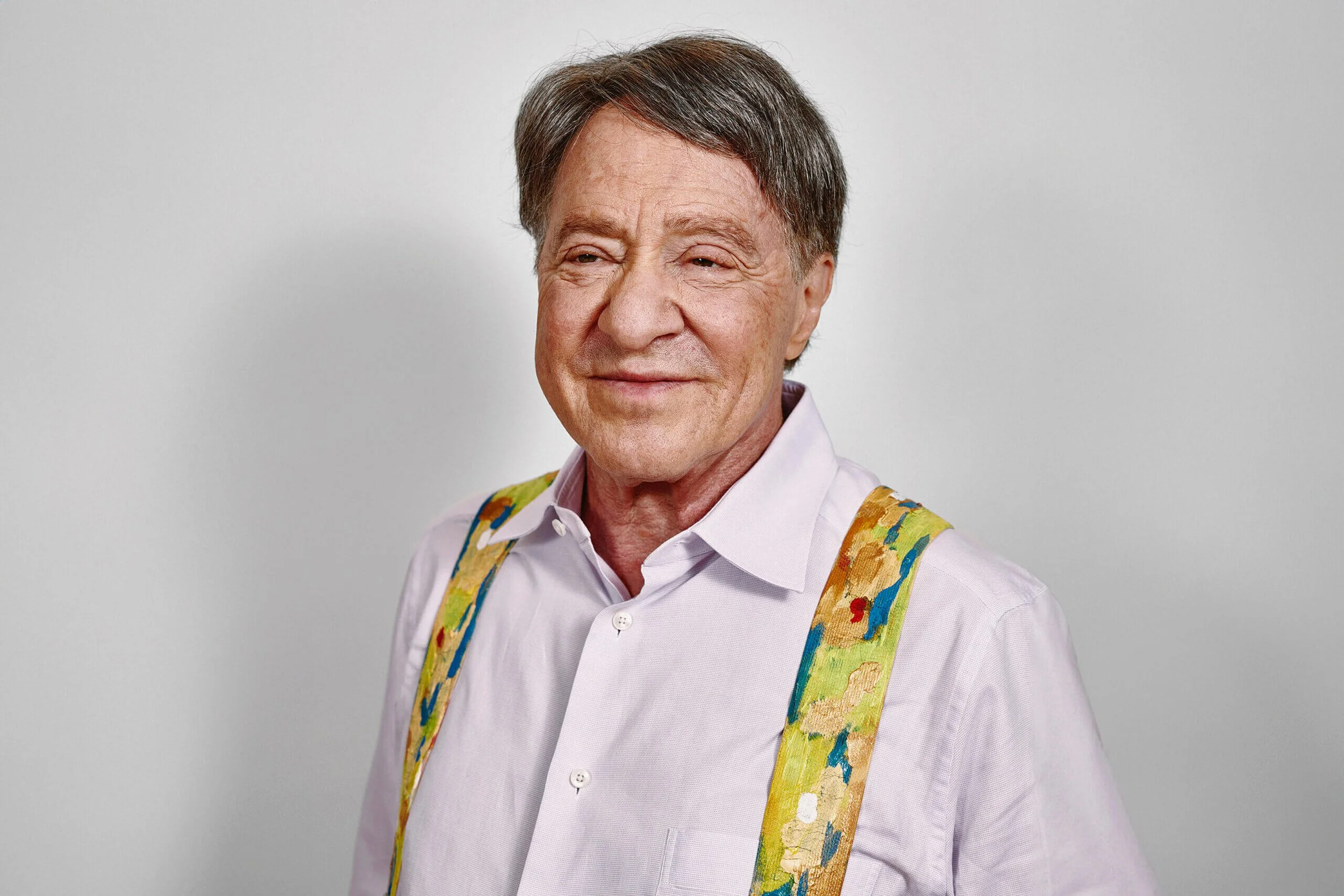
Ray Kurzweil: AI and the Future of Education
My brother Mark is the AV and Theater Operations Manager at the Trinity School in New York City. As part of his job duties, he helps produce a series of lectures by various luminaries. He recently invited me to one such lecture, given by Ray Kurzweil on AI and The Future of Education. For those of you who don’t know, Ray is a true Renaissance man - inventor of numerous technology devices that we use every day including OCR and text-to-speech, and founder of Kurzweil Music Systems (one of my favorite synthesizer brands). He is also one of the preeminent minds in the world of artificial intelligence. His book The Singularity is Near (2005) is perhaps one of the most important books on the topic of AGI (artificial general intelligence) and is often quoted whenever we talk or think about the future of AI. I was hoping that the lecture that I attended last night would answer a lot of questions about how educators should approach the use of AI in their classrooms and perhaps a look at what is coming. Instead, I left feeling more uneasy than ever and ultimately scared about the singularity and hoping it never happens for a variety of reasons.
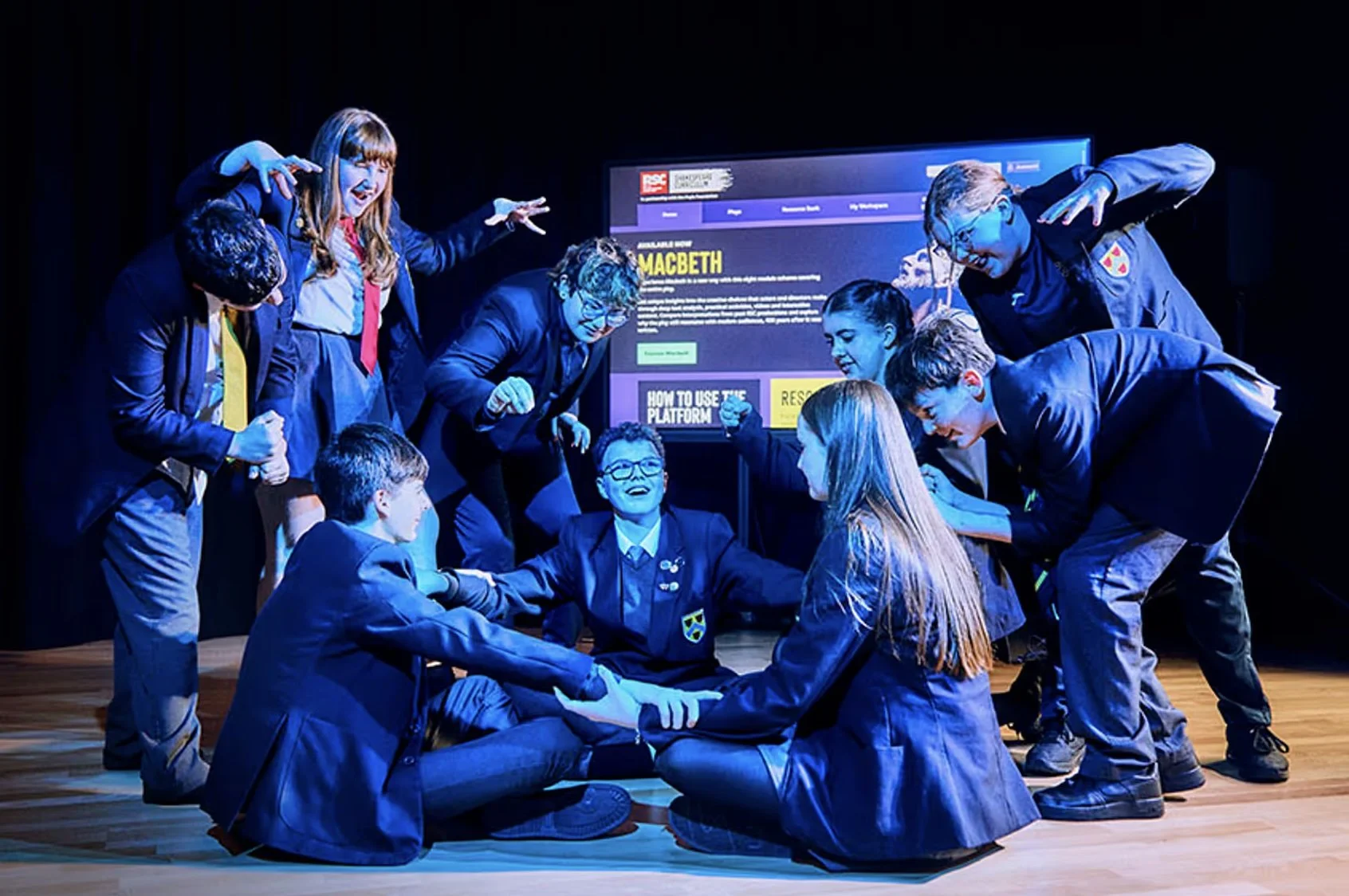
Shakespeare Loves Charanga!
I woke up yesterday with reports from our partners in the UK, Charanga Music, with celebratory emails regarding the launch of their latest partnership, and this was a BIG one. Charanga teamed up with the Royal Shakespeare Company (RSC) to launch the “Shakespeare Curriculum,” a bold new digital platform that brings the power of theatre, language and creativity into the classroom in a transformational way. What makes this collaboration truly worthy of note—and of enthusiasm among school music, arts and general educators—is how it demonstrates Charanga’s platform is not only built for music but is fully adaptable. There were many luminaries at the launch event, including Dame Helen Mirren and Sir Ian McKellen!
When the AI Tops the Billboard Charts: What “Walk My Walk” Says About Music, Ethics, and Education
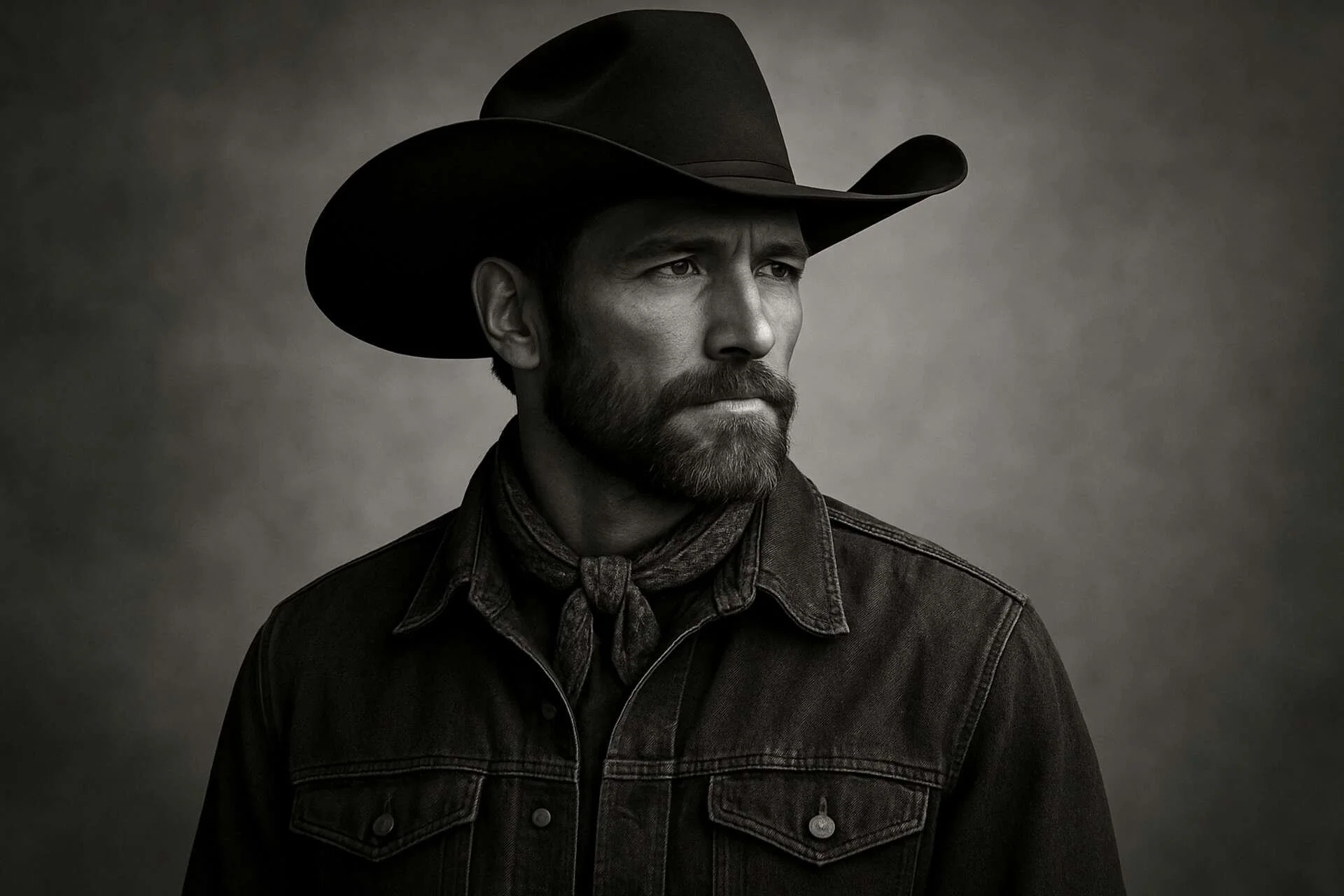
This morning while watching CBS Mornings, there was a story about the new number one hit on the Billboard Country Charts today (Digital Song Sales) - a song called “Walk My Walk” by a band called by Breaking Rust. The reason it was being featured? The song was 100% written by AI, and Breaking Rust doesn’t actually exist. For some reason, this is the straw that broke this camels’ back. While listening to Nate Burleson talk about a new category for Billboard called AI-Generated music, I felt something shift inside my brain. It’s not really about the technology — we all knew this was coming — but more about what we as a society consider music.
What the UMG/Udio Deal Means for the Music Classroom
The recent announcement that UMG and Udio have entered what is described as an industry-first licensed generative-AI music-creation platform gives us plenty to think about. On the face of it, the headline sounds bold: the major rights-holder has settled litigation with Udio, and then signed an agreement to collaborate on a new platform (scheduled for launch in 2026) that will use AI trained on authorized and licensed recordings and compositions. The promise is to create a “commercial music creation, consumption and streaming experience” in which users customize, stream and share music in a “responsible” environment with filtering, fingerprinting and other protections in place. And yet at the same time my skeptic alarms are ringing. For music educators, especially those working with middle and high school students, this development might raise more questions than answers: about creativity, about the role of the human being in music making, and about how we design learning experiences in the decades ahead.
What is Prop 28? A Practical Guide for Music Educators
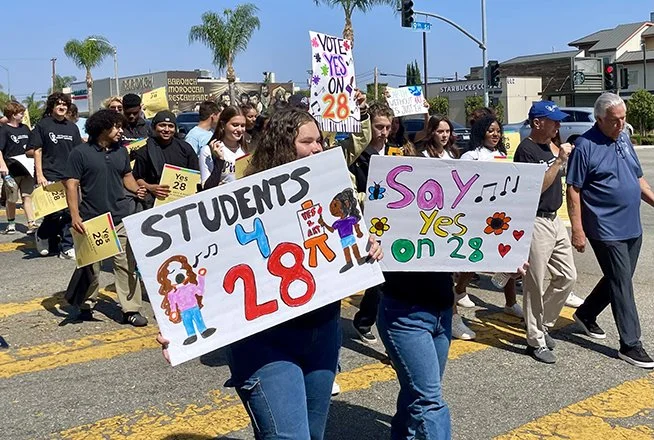
If you teach music in a California public school, Proposition 28 has opened an extraordinary door - one that many of us never thought we’d see in our lifetimes. For the first time, California has created a dedicated and ongoing funding stream for arts education, including music. The goal is simple: make arts learning a permanent part of every student’s experience, not an optional extra that depends on a principal’s priorities or the success of the booster club’s last fundraiser. But while Prop 28 guarantees the money, it does not guarantee that music programs will automatically receive what they need. That part still requires thoughtful, professional advocacy from teachers. In this post, I’ll try to deliver a clear explanation of Prop 28, along with some practical strategies you can use to secure the materials, tools, and resources that will truly benefit your students.
Check out these YuStudio Updates!
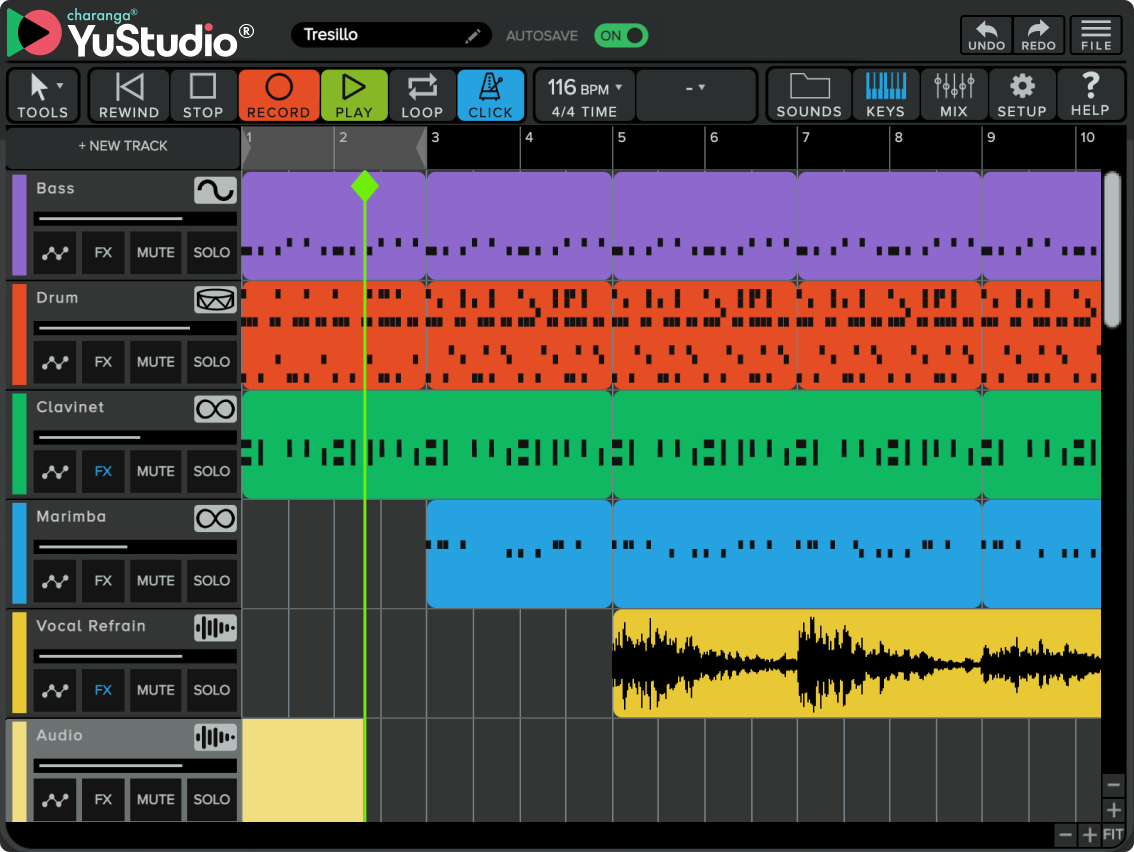
YuStudio, an online DAW created by the wizards at Charanga, have just introduced some major enhancements that make student creativity and classroom music-making even more engaging and fun. Whether your students are learning about and exploring beat-making, composition, multimedia projects, or even sound design, these updates make the creative process faster, more intuitive, and more inspiring than ever. Over the past year, their team has launched several really cool new features, including an amazing sampler that I wrote about a few months ago. What follows is a quick update on the features they recently launched, and how they can be used with your students:
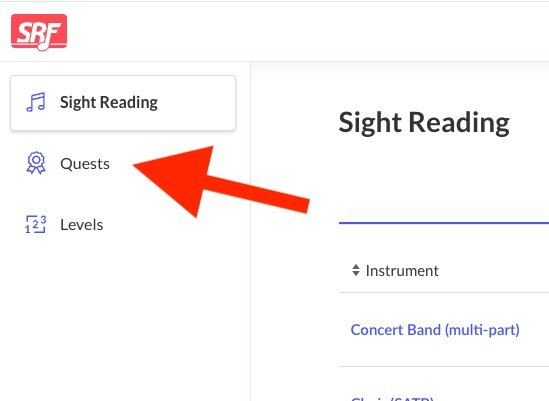
Sight Reading Factory Adds New Feature: Quests
Yesterday, I saw a Reel on Facebook from our very good friends at Sight Reading Factory showing a brand new feature called Quests. It is awesome. Music educators are always looking for that “next thing” to help engage their students, reinforce their skills, and make sight-reading practice feel less like a chore and more like an adventure. Quests adds a game-infused layer to their already robust sight-reading platform, and promises to deepen student engagement and boost musicianship. As the students that are in our classrooms are already well-versed on the idea of quests and streaks - especially with their games and social media use - I think that the students will love this. So what is a “Quest”? Think of it as a structured challenge: a sequence of sight-reading exercises fashioned together into a narrative or goal-based progression. Students aren’t simply generating one random exercise after another — they are embarking on a mission: advancing through levels, conquering assigned tasks, and earning a sense of accomplishment. Here’s a quick preview:
What is WCAG and Why Should You Care?
As music educators, we pride ourselves on creating inclusive, inspiring environments where every student feels seen, supported, and capable of success. We differentiate instruction, scaffold learning, and provide multiple avenues for musical expression — because we know that every child learns differently. But in our increasingly digital world, true inclusion extends beyond the physical classroom. It requires that the online tools we rely on are accessible to every learner — including those with visual, auditory, cognitive, and physical disabilities. That’s where WCAG comes in.

Celebrating Dias de los Muertos in your Music Classroom
As music educators, we know that culture and tradition are at the heart of musical understanding. Few celebrations blend art, music, and meaning quite like Día de los Muertos—the vibrant Mexican holiday honoring the lives of loved ones who have passed. Día de los Muertos is celebrated every year on November 1st and 2nd. This holiday has a long and complex history that dates back thousands of years. The beginnings of this holiday go back to Meso-American cultures, such as the Olmecs, more than 3,000 years ago. For music teachers looking to connect students with this beautiful cultural tradition, there are many free online resources that make it easy to integrate authentic music, storytelling, and creativity into your classroom this fall. Here are a few of my favorites:

Using SchoolAI in the Music Classroom
In the ever-growing field of AI tools specifically targeted towards education, I recently came across School AI. This is a FREE tool for teachers, and it’s very similar to its main competitor, MagicSchool. While many of these platforms are marketed primarily toward core academic areas like math and language arts, some have begun to attract attention from arts educators as well. For music teachers curious about whether AI might have a meaningful place in their classroom or rehearsal space, it’s worth taking a closer look at what SchoolAI actually offers—and what its limitations might be. Whether you’re a band, orchestra, or general music teacher who is interested about what generative artificial intelligence can do for your classroom, OR your school has already purchased it and is now expecting you to use it, here are some of my thoughts on how SchoolAI could be used in your music classroom.

We’ve Come a Long Way, Baby…
This past week, the MusicFirst US-based team, alongside the founders of Charanga and Rising Software, gathered in Murfreesboro, Tennessee - right outside of Nashville - for a set of company meetings - our first in-person gathering since we were acquired by Achieve Partners at the end of 2024. At one point during the meetings, I looked out at this incredible group of smart, talented, and passionate musicians and educators and remembered when MusicFirst was only a dream that I had back in 2012. I am both humbled and beaming with pride at the team I’ve assembled and more importantly, what we have created together over the past 13 years.

Need to Assess Your Students? MusicFirst Has You Covered
One of the biggest challenges for music educators today is assessment. How can we meaningfully measure student progress in a performance-based class? How do we give every student individual feedback—without spending hours grading each assignment? How do we ensure that our assessments align with state and national standards while still being musical and engaging? My doctoral dissertation while I was a student at Teachers College, Columbia University was titled An Evaluation of a Web-Based Model of Assessment for the New Jersey Core Curriculum Content Standards in Music - whew that’s a lot of words. I basically created a website back in 2000 that tried to assess every aspect of a students musical learning - from performance, to fundamental skills and knowledge, and creativity. When I designed the MusicFirst Classroom, I included assessment as one of the main components of the platform. The result is a comprehensive, flexible, and easy-to-use suite of assessment tools designed specifically for music teachers. Whether you teach band, choir, orchestra, general music, AP Music Theory, or anything in between, the MusicFirst Classroom gives you everything you need to assess your students quickly, accurately, and musically.

Should You Major in Music Education?
If you are reading this post, you will likely fall into a few different groups: high school students thinking of majoring in music education, pre-service music education majors, those that teach pre-service music educators, current music educators, or music industry folks keeping tabs on me. In this era of generative artificial intelligence, political turmoil, and a very different group of children in our classrooms, it is a question that many are asking themselves. Whenever I speak with undergraduate music ed majors, I meet at least one college student who asks me whether being a music teacher is still a noble, valued, and worthwhile profession. It’s a question filled with both hope and hesitation — hope for a life spent making and sharing music, and hesitation about the practicalities: the workload, the job market, the salary, the emotional investment. My answer is always yes. I personally believe that teaching music is a wonderful way to spend your life. That said, I left public school teaching in 2007, and a lot has changed since then.

Textbooks Reimagined: Google Learn Your Way
I attended and spoke at the Achieve Partners Annual General Meeting yesterday in downtown NYC. It was a really interesting experience and it was great to meet the CEOs of the other companies in their portfolio. Perhaps the most interesting thing for me however, was listening to a presentation by one of the partners on the future of education and AI. He briefly mentioned an experimental product from Google called “Learn Your Way”. When I heard his brief overview of the platform, my jaw hit the floor. When Google introduced Learn Your Way earlier this year, it didn’t come with fanfare or a big advertising campaign. It appeared quietly, as a research experiment from Google’s education and AI teams. After checking it out as soon as I got yesterday, I believe that Learn Your Way may mark the beginning of a new way of thinking about how students interact with learning materials — not just what they read, but how they experience and internalize information.

Resource: MusicIsEducation.org
If you’ve ever had to defend your music program—to an administrator, a school board, or even a parent—you know how important it is to have clear, reliable information and strong allies. Yesterday I saw a post about a new website called MusicIsEducation.org. The website was built for exactly that reason. It is spearheaded by the indefatigable Bob Morrison and backed by a HUGE coalition of music education partners. It’s not just another advocacy website; it’s a well-organized resource hub that provides data, stories, and strategies that help music educators make their case for music as a core part of every child’s education - and it’s really well done. One of the main messages of the site is that music isn’t an extra. It’s a fundamental part of learning and growing. The site explains that for nearly two centuries, music has been part of American public education. That long history isn’t just about tradition—it’s about evidence. Decades of research show that students involved in music do better academically, socially, and emotionally (and as music educators we all know this). They learn persistence, creativity, teamwork, and focus. But as every music teacher knows, these facts often get lost in the noise of testing requirements, budget cuts, and shifting priorities. That’s where this organization steps in. The clearly laid out website emphasizes that music education builds skills that prepare students for the future—skills that can’t easily be replaced by technology or automation. Music students learn to listen critically, work collaboratively, and express themselves clearly. Those are not small benefits. They are exactly the qualities employers, colleges, and communities value most.